
Micro-Grain & Ultra-Fine Tungsten Carbide
Sub-micron powders give carbide end mills and drills the hot-hardness, edge sharpness, and abrasive-wear resistance needed for continuous high-speed milling and drilling.
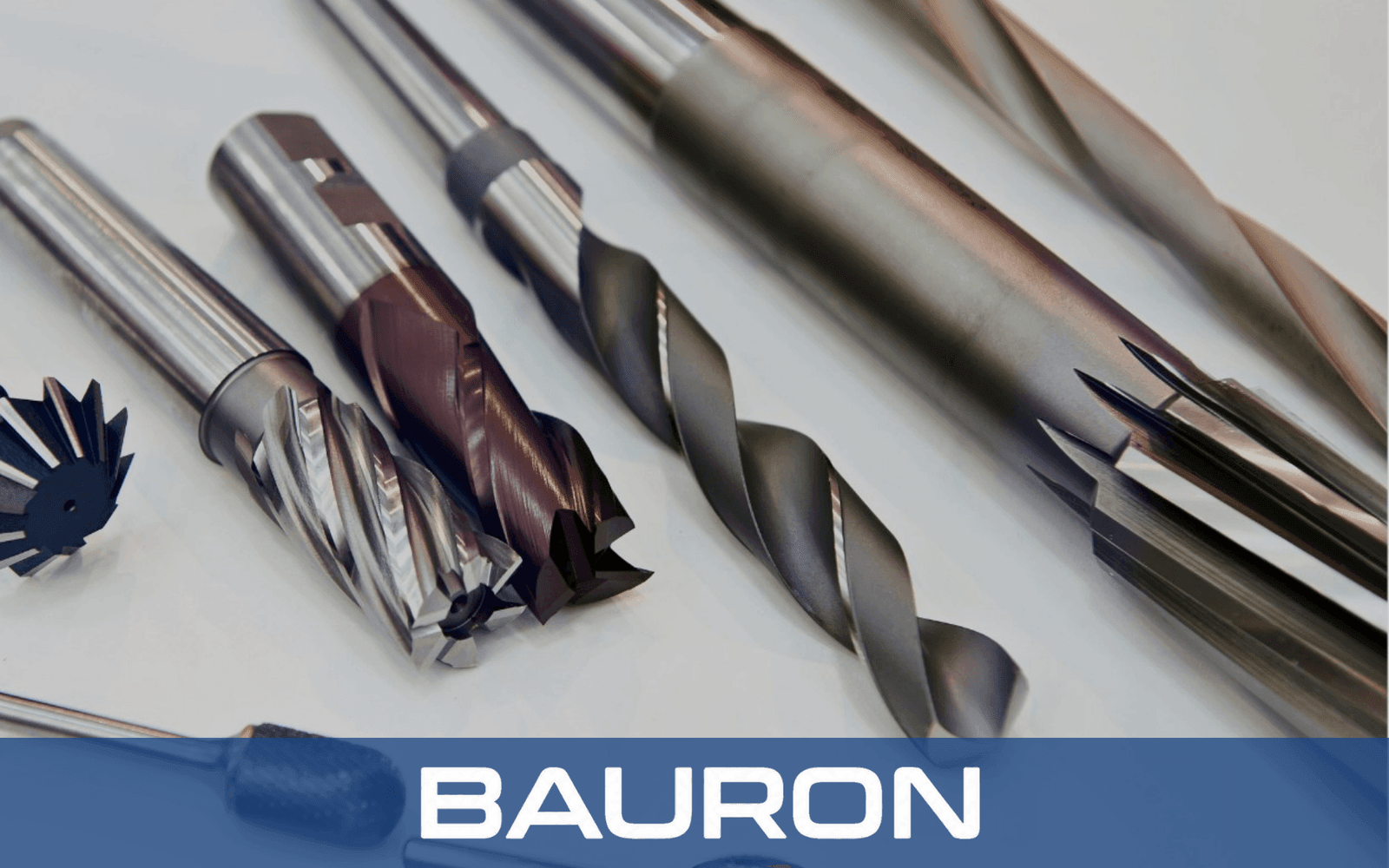
Bauron uses high-performance cutting tool materials, solid carbide substrates, and premium tool steel alloys for high-speed CNC machining and precision metalworking.
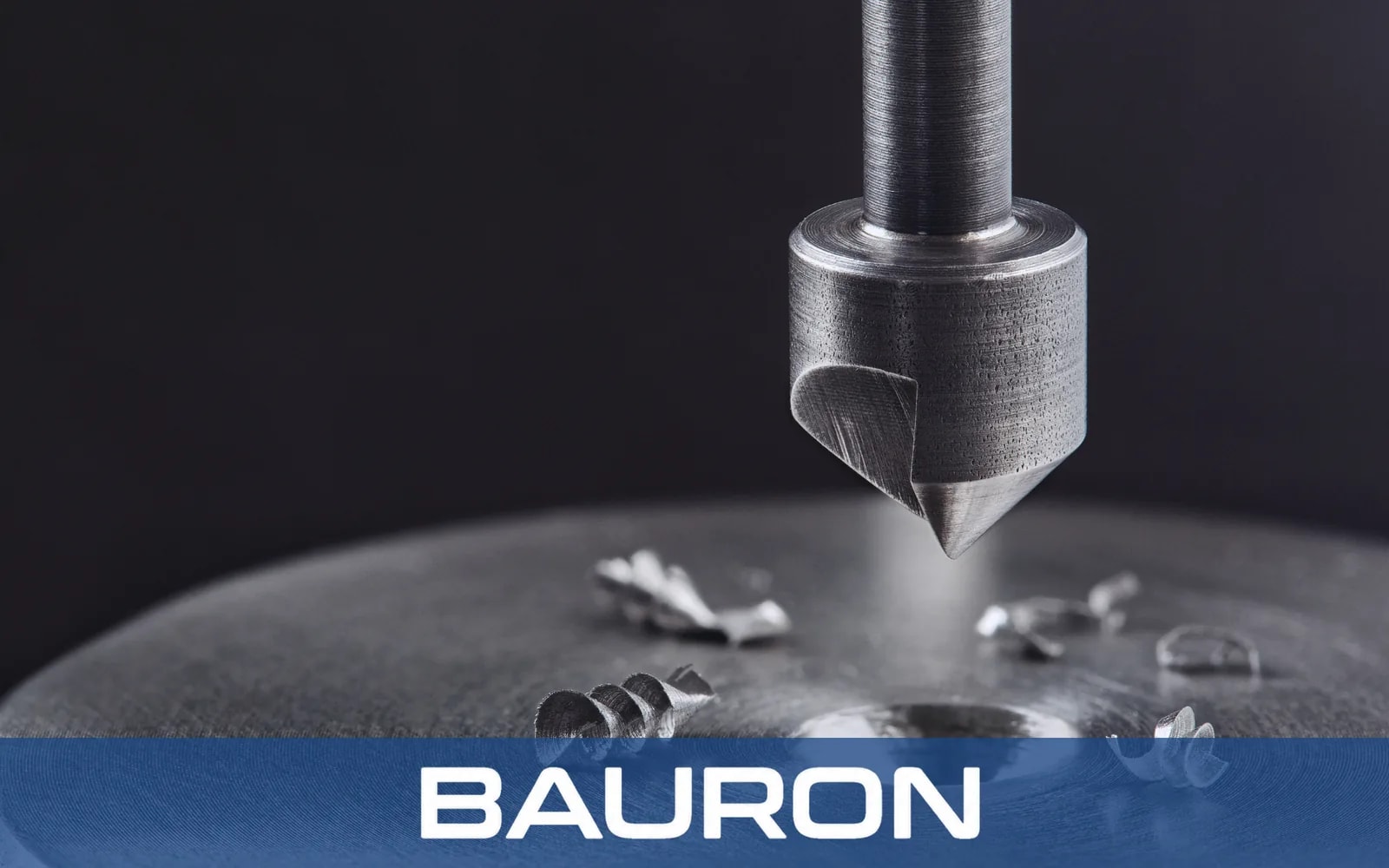
CNC cutting tools face extreme friction, mechanical shock, and elevated thermal stress. Bauron selects cutting materials, including powder-metallurgy alloys, solid micro-grain carbides, and specialized steels, for needs ranging from impact toughness in interrupted milling to hot-hardness in continuous superalloy cutting. Substrate choice directly affects machining speed, surface finish, and tool life.
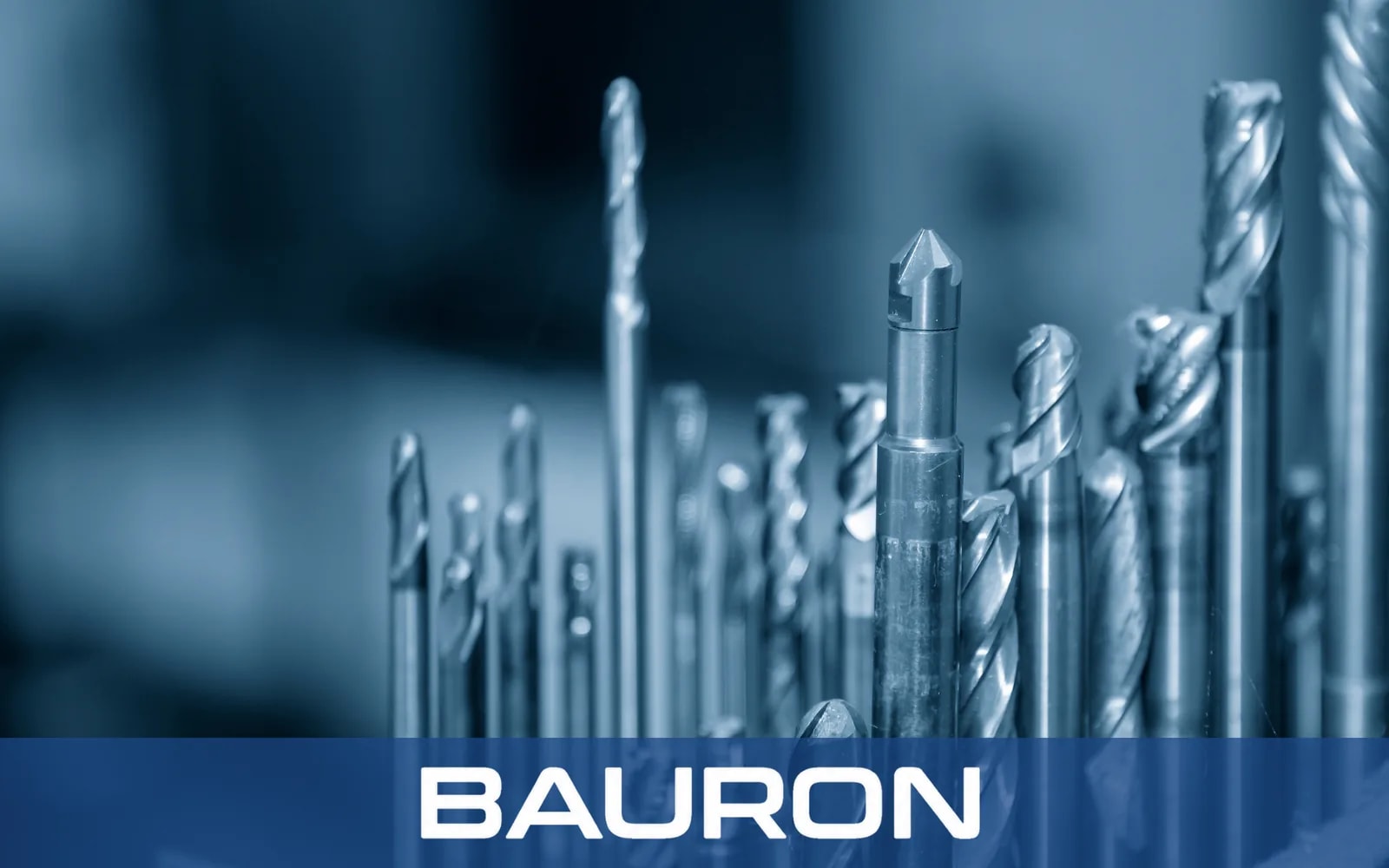
Sub-micron powders give carbide end mills and drills the hot-hardness, edge sharpness, and abrasive-wear resistance needed for continuous high-speed milling and drilling.
M2, M42, and HSS-Co balance toughness, flexural strength, and heat resistance for heavy-duty threading, broaching, and tapping, while solid carbide taps suit higher cutting speeds in abrasive materials.
As CNC tool materials, powder metallurgy steels offer uniform carbide distribution that improves edge toughness and wear resistance compared with conventional cast steels.
Ultra-hard substrates for high-speed machining of abrasive non-ferrous aluminum alloys, composites, and hardened steels up to 65+ HRC.
High-speed finishing substrates for heat-resistant nickel superalloys and cast iron at temperatures that degrade conventional metallic tools.
For end mills, reamers, drills, and form cutters, Bauron application engineers evaluate four core mechanical properties during tool design.

Higher hard-phase fractions protect cutting margins from continuous friction wear, a key factor for carbide reamers that must hold tight bore sizes.
High-toughness carbide grades absorb vibration and interrupted cuts without edge micro-chipping.
Advanced carbide and cermet substrates retain edge integrity above 900°C.
Stable substrates resist reaction, oxidation, and diffusion wear in aggressive aerospace superalloys.
Application-specific coatings enhance substrate wear properties while reducing friction and thermal degradation.
A high-heat barrier for dry milling titanium, stainless steels, and nickel-based superalloys.
A smooth, low-friction surface that helps prevent aluminum chip welding and built-up edge.
Surface hardness up to 41 GPa for high-speed roughing and finishing of pre-hardened steels.
Lubricity and chip evacuation for aluminum and other non-ferrous alloys.
Heat-resistant carbide with AlTiN for Inconel turbine profiling and titanium airframe pocketing.
Sharp micro-grain carbide for burr-free milling of titanium implants and PEEK polymers.
PM steel and carbide tools for continuous production of cast-iron engine blocks and aluminum transmission components.
Nanocomposite carbide cutters for high-speed finishing of hardened mold-cavity steels.
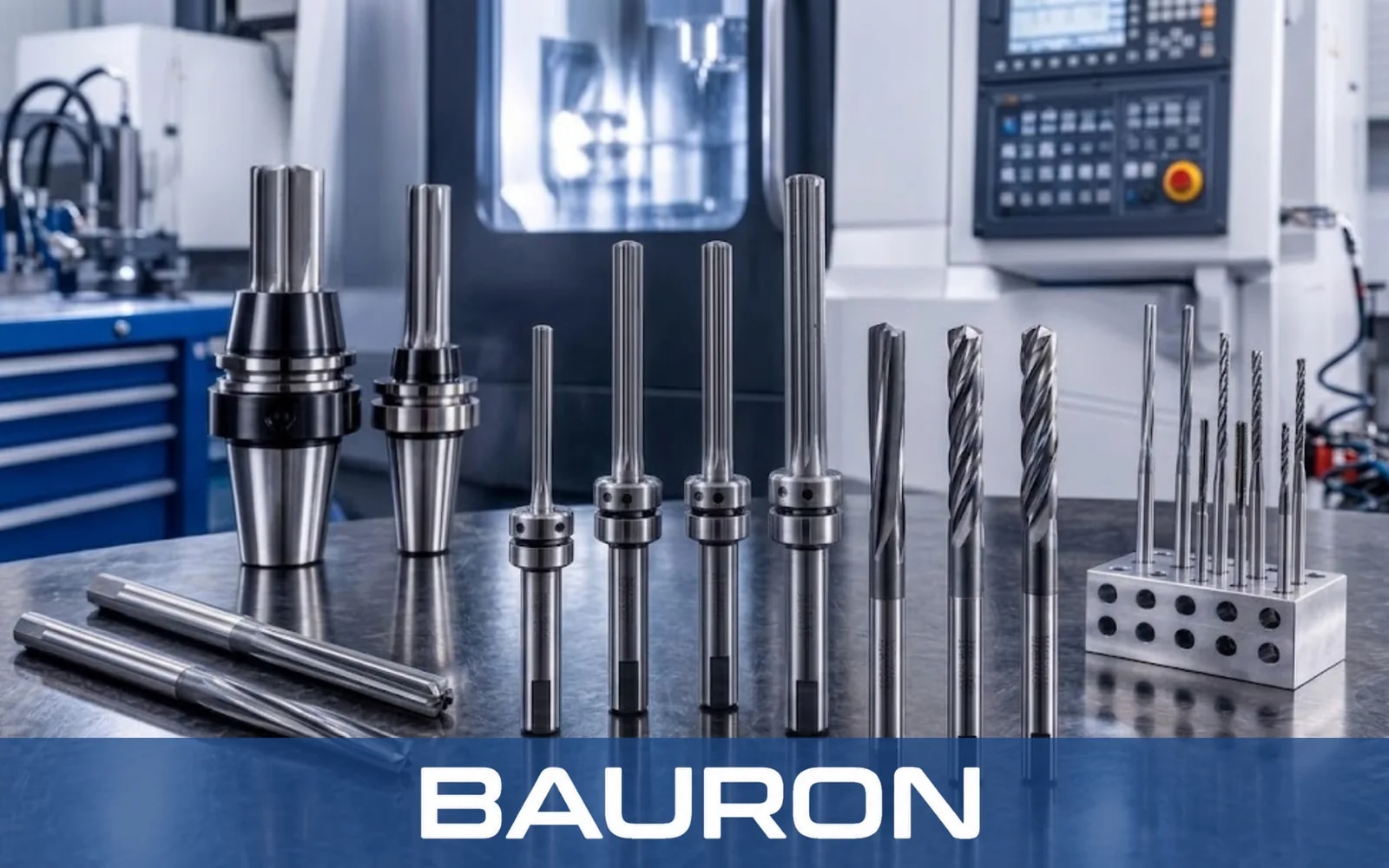
Micro-grain solid carbide paired with an application-specific PVD coating such as AlTiN or nACo is generally best for high-speed milling because of its hot-hardness and wear resistance.
Solid carbide provides greater hardness and wear resistance for higher cutting speeds and longer life. HSS-Co offers greater flexural strength and toughness, making it less prone to snapping in unstable setups or manual machining.
Yes. Bauron evaluates workpiece hardness, cutting speed, coolant application, and machine rigidity to select a carbide grade, grain size, and coating configuration.
Yes. Bauron's custom tool manufacturing covers multi-diameter reamers, step drills, end mills, and form cutters in solid carbide and powder-metallurgy steels, or with PCD and CBN tips, made to production drawings.
The standards and reference documents behind the guidance on this page. Links open the publisher's site in a new tab.
Classifies hardmetal, ceramic, diamond (PCD) and boron nitride (CBN) cutting materials into the P, M, K, N, S and H application groups.
Gives the metallographic method for measuring tungsten carbide grain size, the property that defines micro-grain and ultra-fine carbide grades.
Specifies the standard test method for measuring the transverse rupture strength of hardmetals (cemented carbides).
Specifies requirements for wrought tool steel grades, including the high-speed steels (M2- and M42-type grades) used for HSS and HSS-Co tools.
Steelmaker's explanation of how powder metallurgy permits higher alloy and carbide content, giving PM high-speed steels higher hardness and wear resistance.
Consult a Bauron tooling engineer to identify the substrate and coating configuration that can deliver the lowest cost per part for your CNC setup, whether you run standard tools or custom carbide tooling.
Bauron works with manufacturers to review tool geometry, substrate, coating, reach, machine conditions, and production requirements for standard and custom CNC tooling.
Submit your requirements