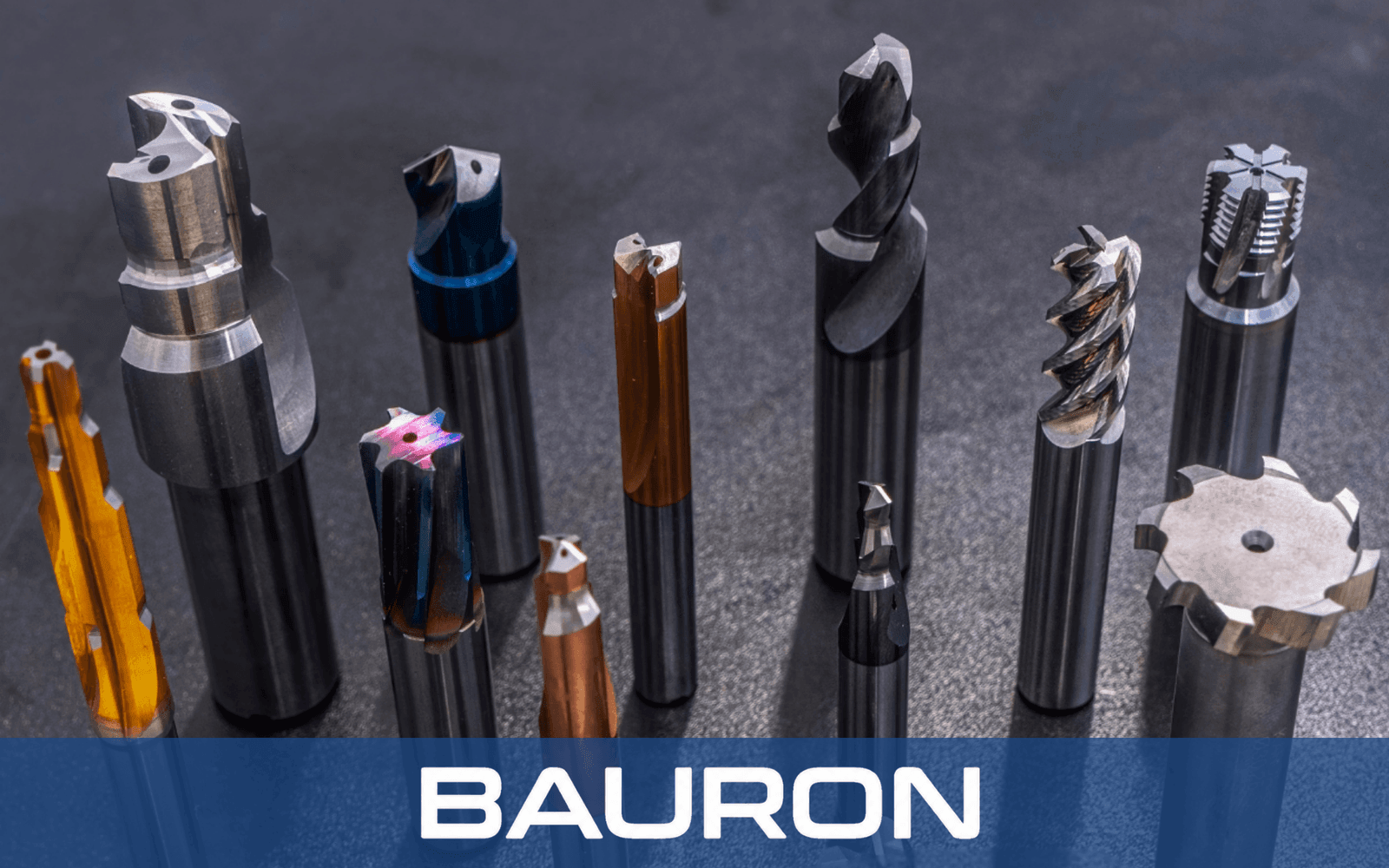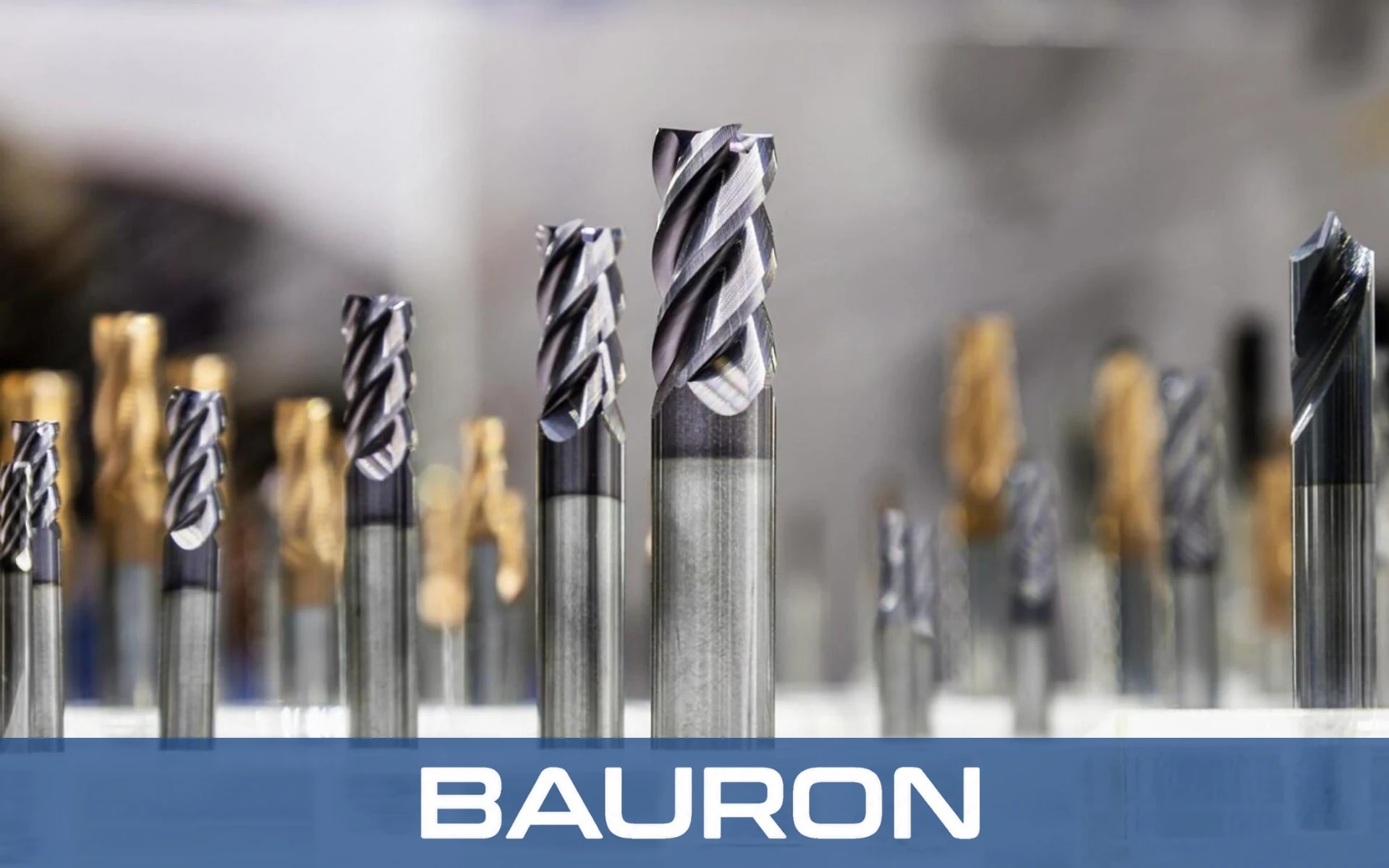
Custom CNC tooling is any cutting tool (an end mill, drill, tap, reamer or form tool) designed and ground to the exact geometry, material and tolerance of one specific machining job, instead of being bought off the shelf. Manufacturers turn to custom CNC tools and professional CNC tool design services when standard cutters can't reach a feature, hold a tolerance, or run fast enough to keep cost per part under control. In short, precision CNC tooling built for your part can replace several standard tools, shorten cycle times and make results repeatable from the first piece to the ten-thousandth.
What Is Custom CNC Tooling?
Custom CNC tooling is application-specific cutting tooling engineered around a part drawing, a workpiece material and a machine setup. A standard tool is designed to do many jobs adequately. A custom tool is designed to do one job extremely well.
Engineers can customize almost every element of the tool:
- Geometry: Diameter, length of cut, reach, neck relief, corner radius, flute count, helix angle and point angle.
- Substrate: Solid carbide grade or HSS-Co, chosen for the material being cut.
- Coating: PVD coatings such as AlTiN, DLC or nACo, matched to heat, wear and chip-flow conditions.
- Form and function: Step drills, combination tools, special thread pitches, or a profile ground to match a part contour.
- Coolant delivery: Through-coolant channels for deep holes and better chip evacuation.
Custom CNC Tools vs. Standard Tools
Standard tools are built for broad compatibility, so they work across many jobs but are rarely optimal for any single one. Custom CNC tools start from your part drawing, workpiece material and machine, which lets engineers tune every dimension to the task. That difference shows up in cycle time, tolerance control and tool life. The trade-off is a higher upfront price, which is why the right choice depends on part complexity and production volume. The table below compares the two side by side.
| Factor | Standard catalog tool | Custom CNC tool |
|---|---|---|
| Design basis | General-purpose use | Your part, material and machine |
| Operations per tool | Usually one | Can combine several into one pass |
| Tolerance control | Limited to catalog specs | Ground to your required tolerance |
| Best for | Common features, short runs | Complex features, repeat production |
| Upfront cost | Lower | Higher, usually offset by lower cost per part |
Why Do Manufacturers Need Custom CNC Tooling?
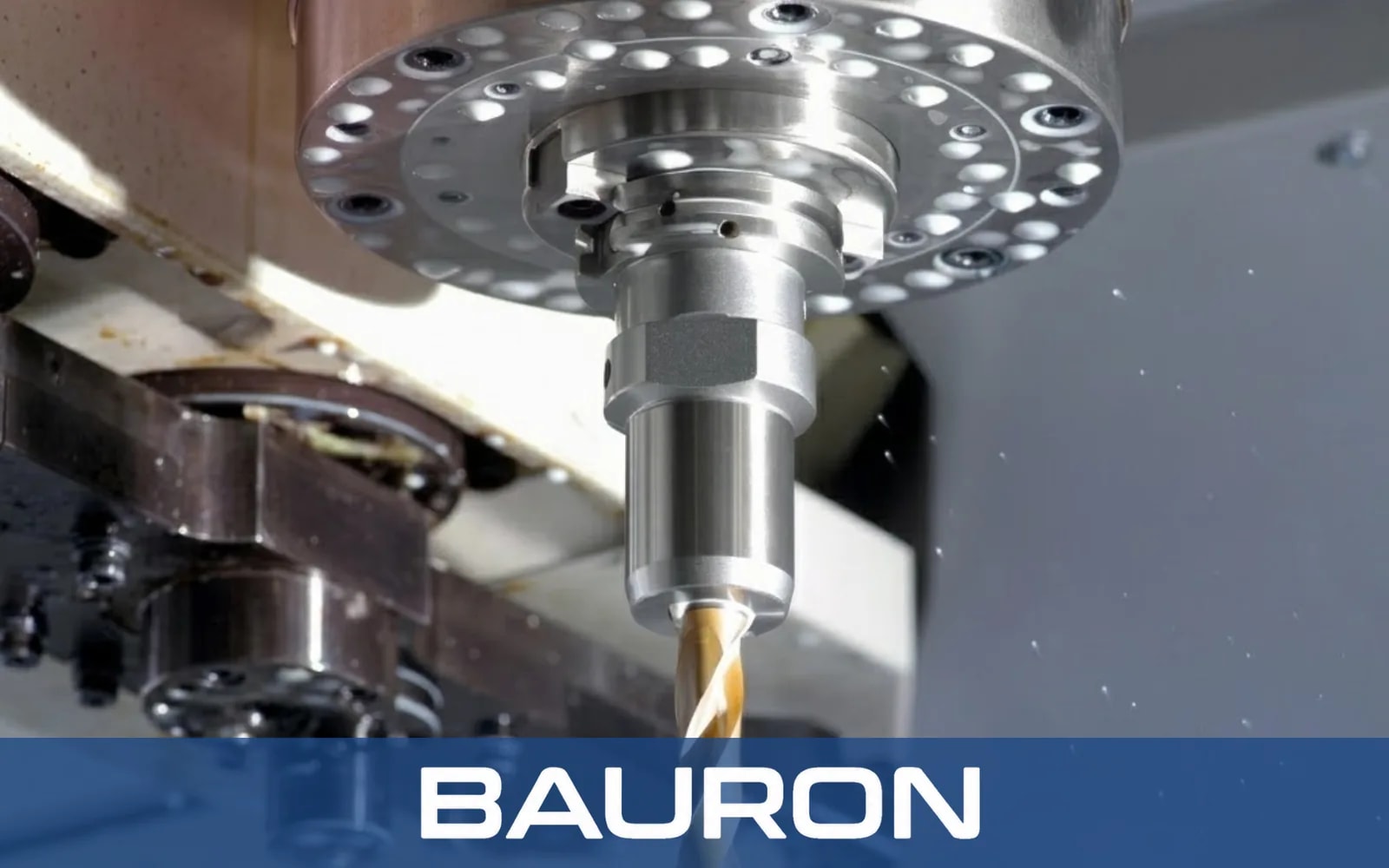
Manufacturers need custom CNC tooling when standard tools become the bottleneck in quality, speed or cost.
The six most common reasons are:
- Complex part features: Deep cavities, undercuts, aerospace contours and non-standard threads often can't be reached or formed with catalog tools. A custom profile, extended reach or special pitch solves the problem directly.
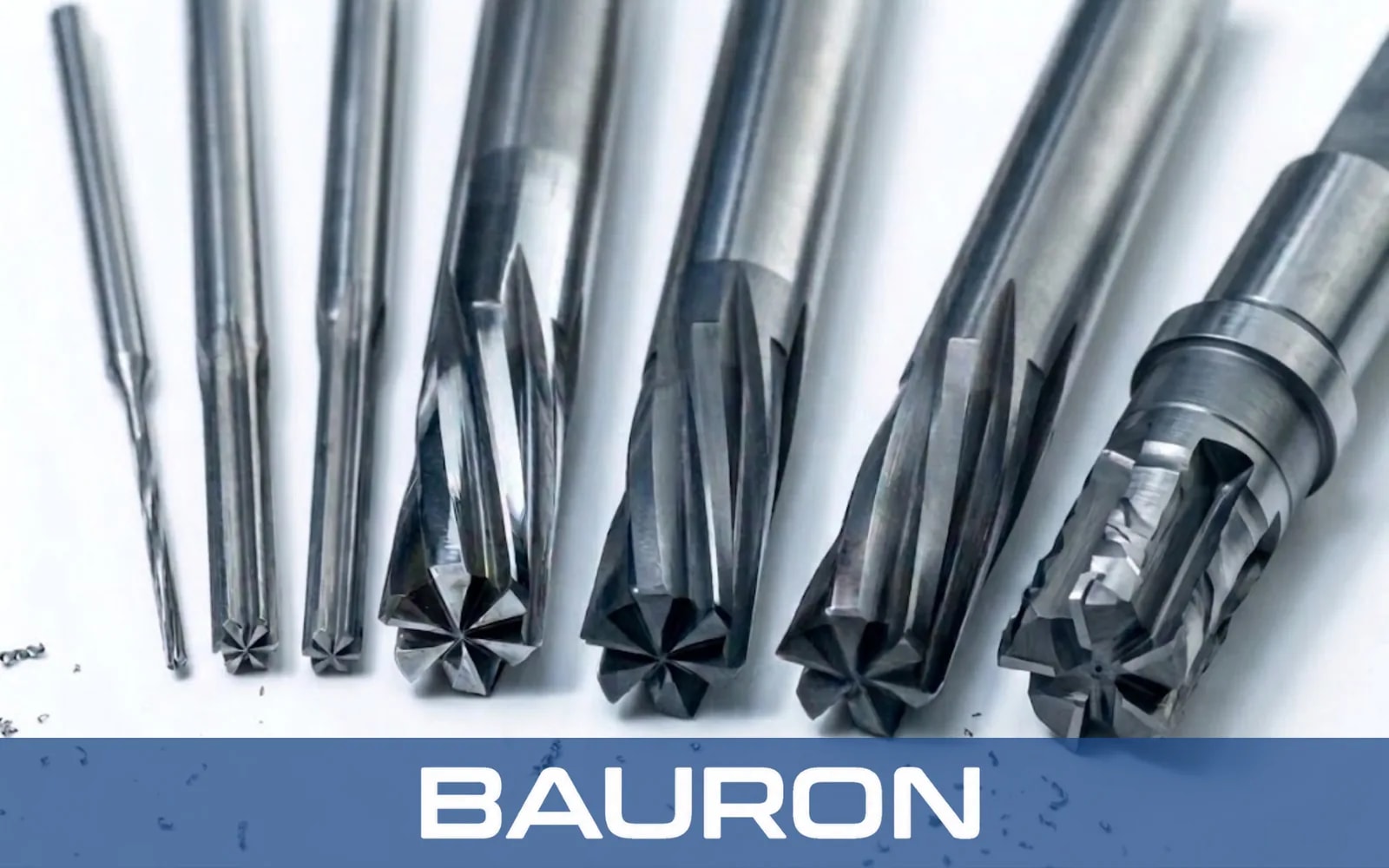
- Tighter tolerances: Purpose-ground reamers, for example, can use unequal flute pitch to suppress chatter and achieve H7 bore accuracy that general-purpose tools struggle to hold.
- Shorter cycle times: A combination tool can drill, chamfer and counterbore in a single pass. Fewer tool changes mean less downtime and more throughput.
- Longer tool life: Correct carbide grade, edge preparation and coating for the workpiece material minimizes wear, built-up edge and premature tool breakage.
- Repeatable production: When a tool is built to a documented specification, each batch performs the same. That consistency is important in high-volume, lights-out, automated operations.
- Lower cost per part: A custom tool costs more upfront, but savings in cycle time, scrap, rework and tool changes usually outweigh the difference over a production run.
How the Custom CNC Tool Design Process Works
A well-run custom tooling project moves from drawing to verified tool in five stages:
- Requirement and drawing reviewEngineers assess your files, the workpiece material, machine and target tolerances to confirm feasibility.
- Tool engineeringThe team selects the substrate, adjusts the helix angle and flute geometry and selects the coating that's best for the application.
- Precision grindingThe tool is ground on multi-axis CNC grinders, ideally with in-process measurement to hold dimensions.
- Inspection and documentationProfile, runout and concentricity are verified, and certificates such as a Material Test Report (MTR) or Certificate of Conformance (CoC) are supplied.
- Prototype, then productionA sample run validates performance on your machine before the design moves to repeat production.
How to Choose CNC Tool Design Services (and Why Manufacturers Choose Bauron)
The right partner offers engineering depth, verified quality and the flexibility to scale.
Look for a supplier that provides:
- Engineer-reviewed designs, not just order processing.
- Quality systems with complete inspection and traceability.
- Flexible batch sizes, from one prototype to high-volume runs.
- Application support after delivery, including feeds, speeds and troubleshooting.
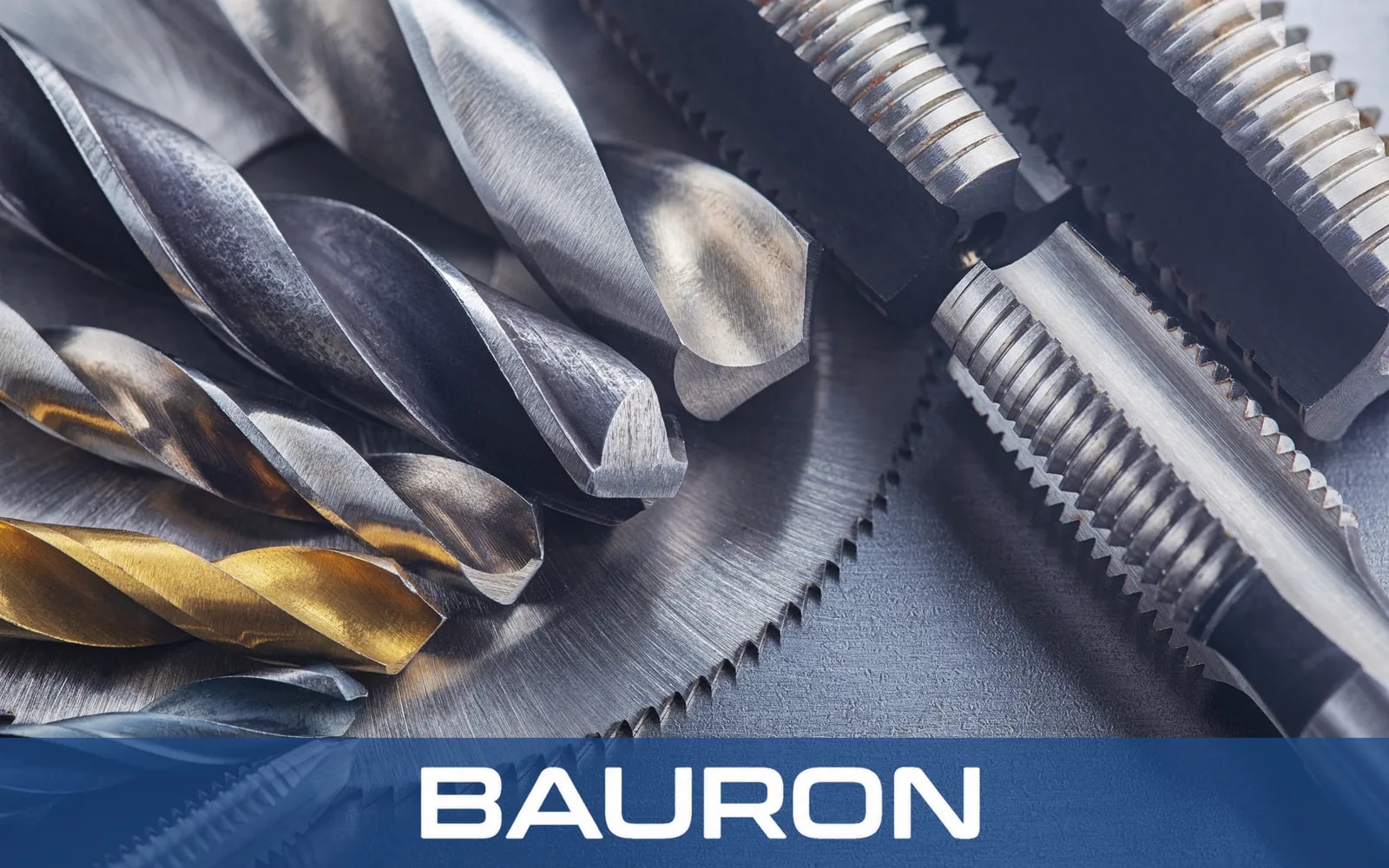
Bauron, a precision tool manufacturer, is built around these requirements:
- Four custom tool families: mills, drills, taps and reamers, each with a dedicated online design request form.
- Engineering review on every request, plus feedback to improve manufacturability and cost effectiveness.
- ISO 9001:2015 certified manufacturing, with 100% optical and CMM inspection before shipping.
- Full documentation: MTRs, CoCs and heat-lot traceability.
- No minimum order quantity for prototypes, plus lot-to-lot repeatability for high-volume programs.
- Application engineering, such as CAM tool path review, feeds and speeds optimization, and chatter root-cause analysis.
- Global reach: customers served in more than 80 countries.
Conclusion: Custom CNC Tooling Turns Machining Limits into Advantages
Custom CNC tooling gives manufacturers a tool built for their exact part instead of a compromise from a catalog. The result is faster cycles, tighter tolerances, longer tool life and a lower cost per part. If standard cutters are limiting your quality or throughput, custom CNC tools designed by experienced engineers are often the most direct fix.
Have a part that standard tools can't handle? Send your drawing to Bauron's engineering team. You'll get a feasibility review and a quote for a custom mill, drill, tap or reamer, whether you need one prototype or a full production run. Request a Custom Quote or Ask an Engineer to discuss your application today.