Two end mills can look almost identical yet perform very differently on the same job. Often, the difference is the coating. End mill coatings are thin protective layers that help a cutting tool handle heat, friction, and wear. On CNC end mills, choosing the right coating can mean longer tool life, cleaner finishes, and fewer unexpected tool changes.
This end mill coating guide explains, in simple terms, what carbide end mill coatings do, how the most common types differ, and how to match a coating to the material you are machining.
What Are End Mill Coatings and Why Do They Matter?
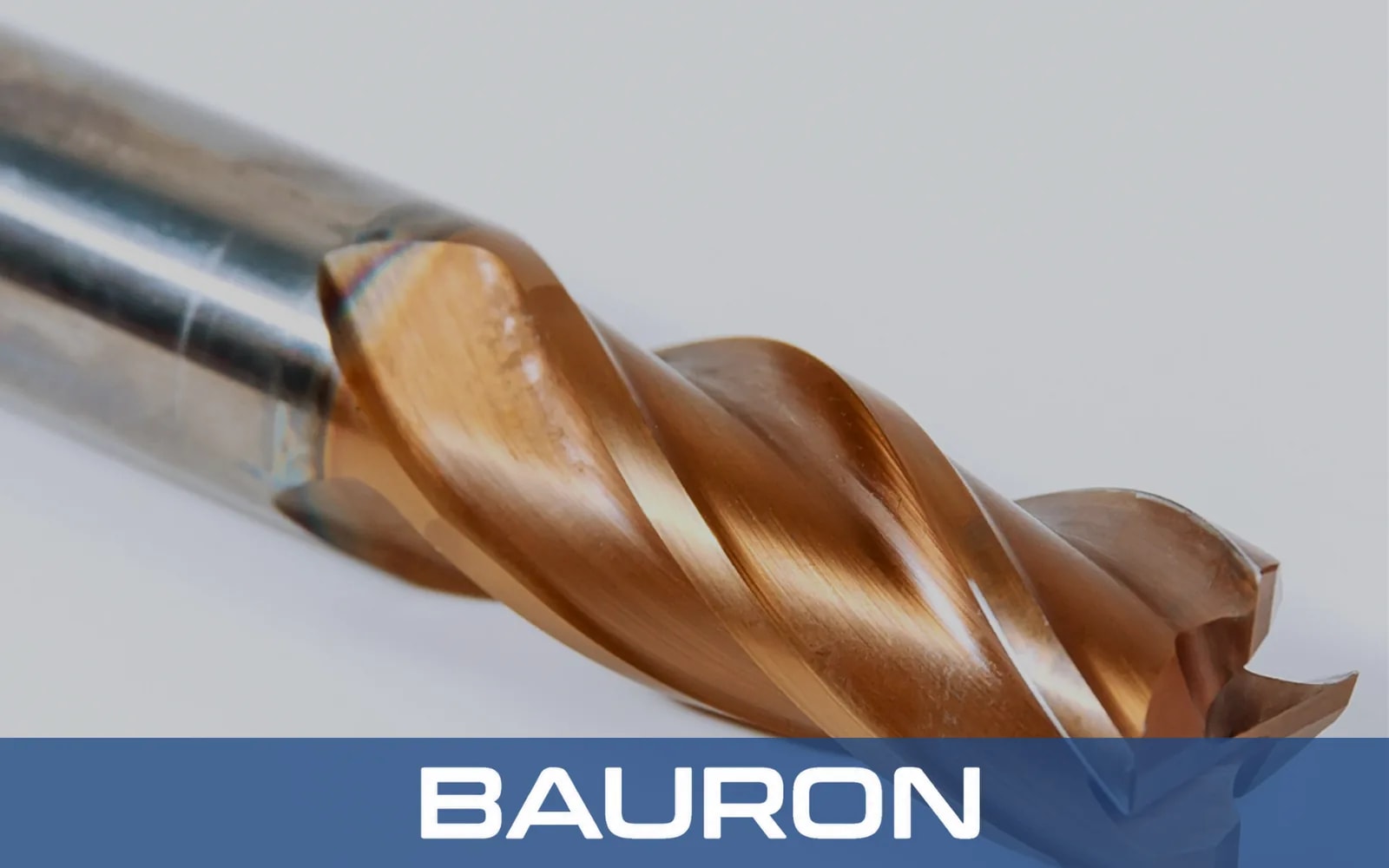
An end mill coating is a very thin layer applied to the surface of a cutting tool.
A well-chosen coating helps in four main ways:
- Handles heat: Cutting metal creates intense heat at the tool edge. A coating acts like a shield, so the edge stays sharp for longer.
- Resists wear: A hard coating protects the edge from rubbing and abrasion, which slows down tool wear.
- Reduces friction: A smoother surface helps chips slide away instead of clogging the tool.
- Stops sticking: Some soft metals tend to stick to the cutting edge. The right coating helps prevent this buildup.
A coating works best as part of a complete tool design. The carbide material, the cutting edge shape, and the coating all need to suit the job. That is why Bauron pairs fine-grain carbide end mills with coating options chosen for each specific application.
Common End Mill Coatings at a Glance
This quick chart compares the carbide end mill coatings you will see most often. Use it as a starting point when choosing a tool.
| Coating | Main strength | Best suited for | Not ideal for |
|---|---|---|---|
| AlTiN | Strong heat resistance | Stainless steel, alloy steel, hardened steel | Aluminum |
| nACo | Very high heat and wear resistance | Superalloys, titanium, stainless steel | Aluminum |
| TiAlN | Good all-round performance | General steel machining | Aluminum |
| DLC | Very smooth, low friction | Aluminum, copper, plastics | Steel |
| ZrN | Non-stick surface | Aluminum, brass, other soft metals | Hardened steel |
| Uncoated (polished) | Sharpest possible edge | Aluminum, plastics, finishing work | High-heat cutting |
How to Choose End Mill Coatings for Your Material
The material you are cutting is the biggest factor in choosing a coating. Before you decide, ask these five questions:
- What material am I cutting?Soft metals and hard steels need very different coatings.
- How much heat will the cut create?Fast speeds, tough alloys, and dry cutting all increase heat.
- Will chips stick to the tool?Soft, gummy metals often build up on the edge.
- What type of cut is it?Roughing, slotting, and finishing put different stress on the tool.
- How many parts am I making?Long production runs usually justify a higher-performance coating.
Best End Mill Coatings by Material
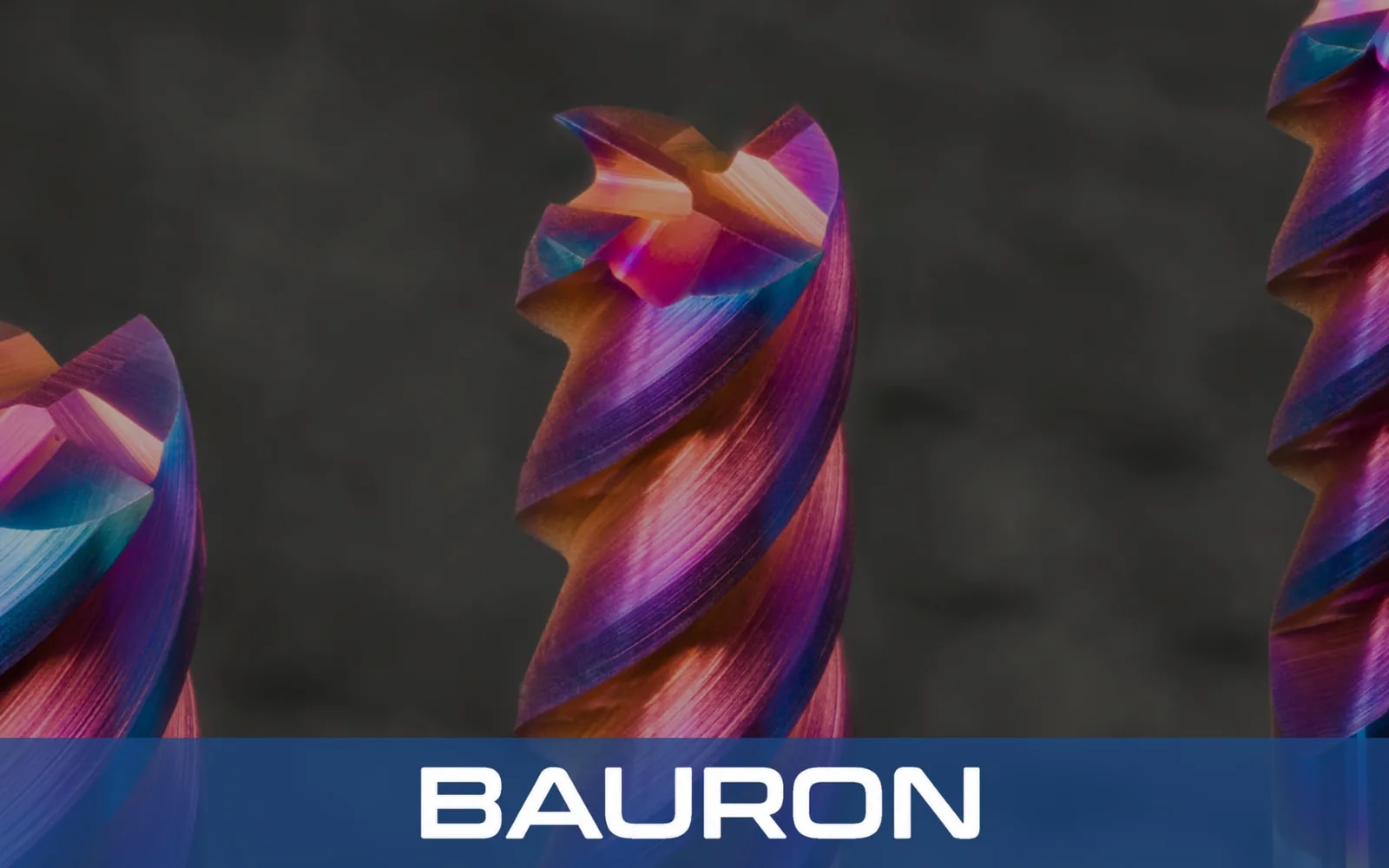
Each workpiece material creates its own challenge for the cutting tool. Some metals stick to the edge, while others create intense heat or wear the tool down quickly.
Here is how to match the most common materials with the end mill coatings that handle them best:
- Aluminum and other soft metals: With aluminum, the main problem is sticking, not heat. Aluminum chips can weld onto the cutting edge and ruin the finish. Smooth, non-stick coatings such as DLC and ZrN help prevent this, and polished uncoated tools also work well. Bauron offers DLC and ZrN coating options for aluminum, combined with sharp cutting edges and polished flutes that help chips flow freely.
- Stainless steel, titanium, and superalloys: These materials are tough and hold heat at the cutting edge, which wears tools out quickly. Heat-resistant coatings such as AlTiN and nACo are the usual choice. Bauron combines these coating options with special flute designs that help control heat and reduce vibration during cutting.
- Hardened steel: Hardened steel needs a tool that is both very hard and heat resistant. AlTiN and nACo coatings are common choices here. Bauron's tools for hardened steel also use fine-grain carbide and carefully prepared cutting edges to stay strong under high cutting pressure.
- Composites and carbon fiber: Carbon fiber is very abrasive and quickly wears down ordinary tools. Diamond-type coatings are widely used for these materials. Bauron also offers special cutter shapes designed to cut fibers cleanly and reduce layer separation.
Coated, Uncoated, or Custom: Which End Mill Is Right?
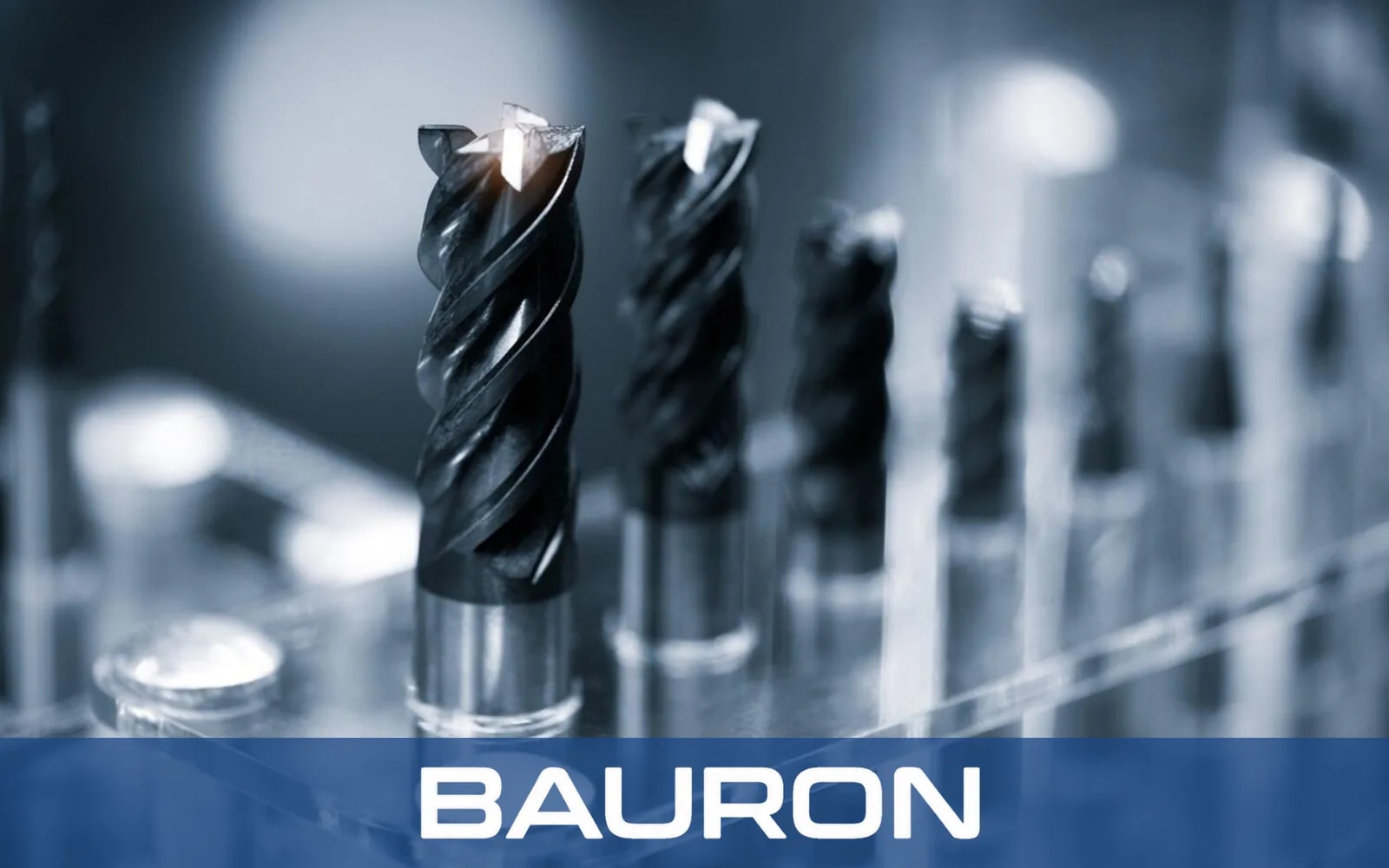
Coated end mills are the standard choice for most metal-cutting jobs because they last longer and handle heat better. A polished, uncoated edge is extremely sharp, which helps when finishing aluminum and plastics.
You may also see AlTiN and TiAlN listed side by side. They are closely related coatings. In simple terms, AlTiN is generally preferred for hotter, more demanding cuts, while TiAlN is a solid all-round option for everyday steel machining.
A custom tool may be the better choice when:
- The part needs an unusual size, reach, or edge shape.
- A standard tool keeps wearing out too quickly in a specific material.
- One tool could replace several operations and save machining time.
- High production volumes make longer tool life especially valuable.
For these situations, Bauron designs custom milling cutters with coatings matched to the material. Tools can be built from your CAD files, drawings, or physical samples.
Conclusion: Choose Smarter, Cut Better
Choosing among end mill coatings doesn't have to be complicated. Start with the material: non-stick coatings like DLC and ZrN for aluminum, and heat-resistant coatings like AlTiN and nACo for tougher metals. Then consider heat, the type of cut, and production volume. Getting this match right helps CNC end mills last longer and lowers your cost per part.
Get Expert Help Choosing the Right End Mill Coating
Every machining job is different, and the right coating depends on your application. Bauron's engineers look at your material, machine, and production goals, then recommend the coating and tool design that fit. We support everything from single prototypes to full production runs.
For a faster recommendation, share your part drawing, material, tolerances, machine details, and expected quantity. Then ask an engineer for coating advice, or request a custom milling quote.