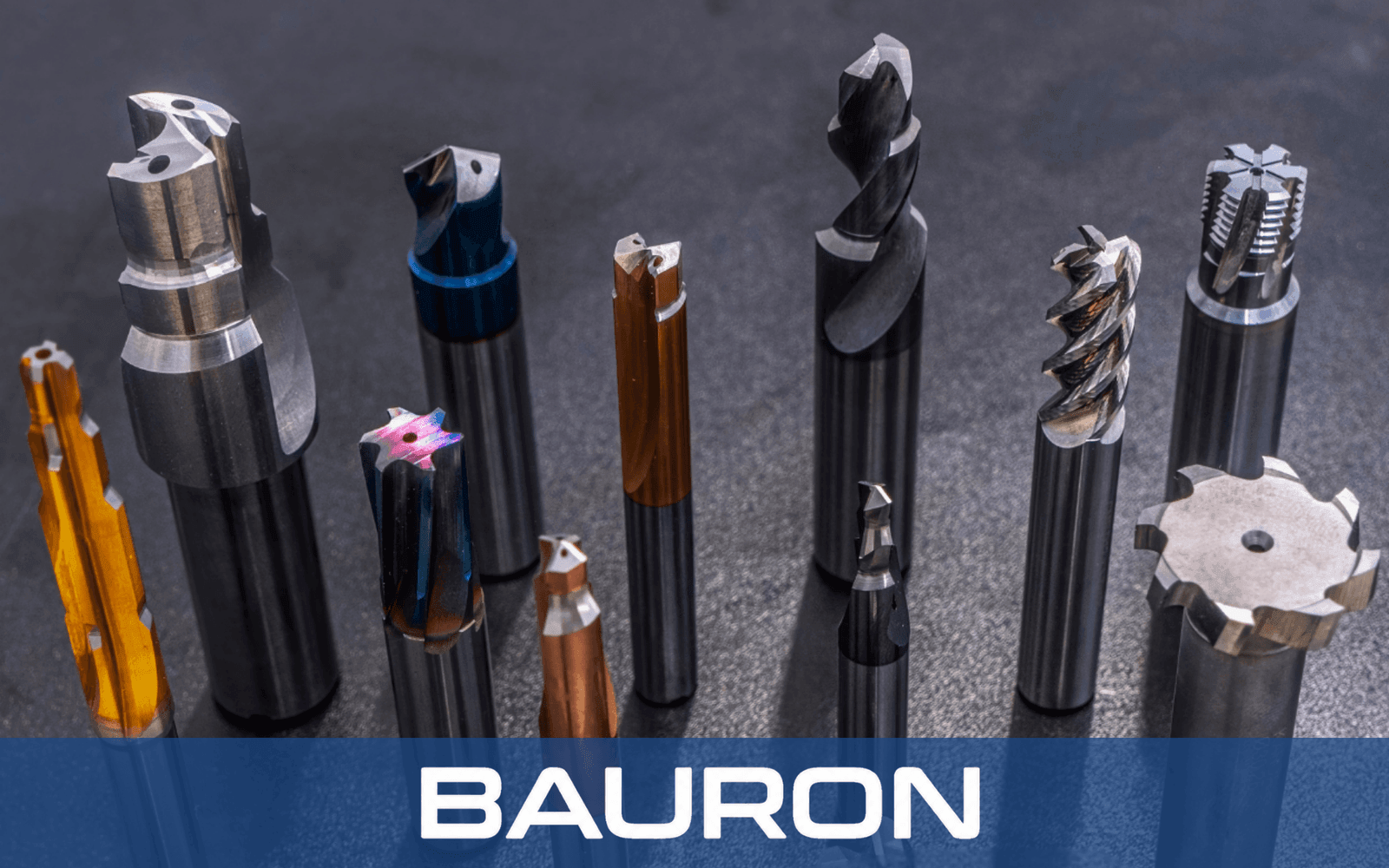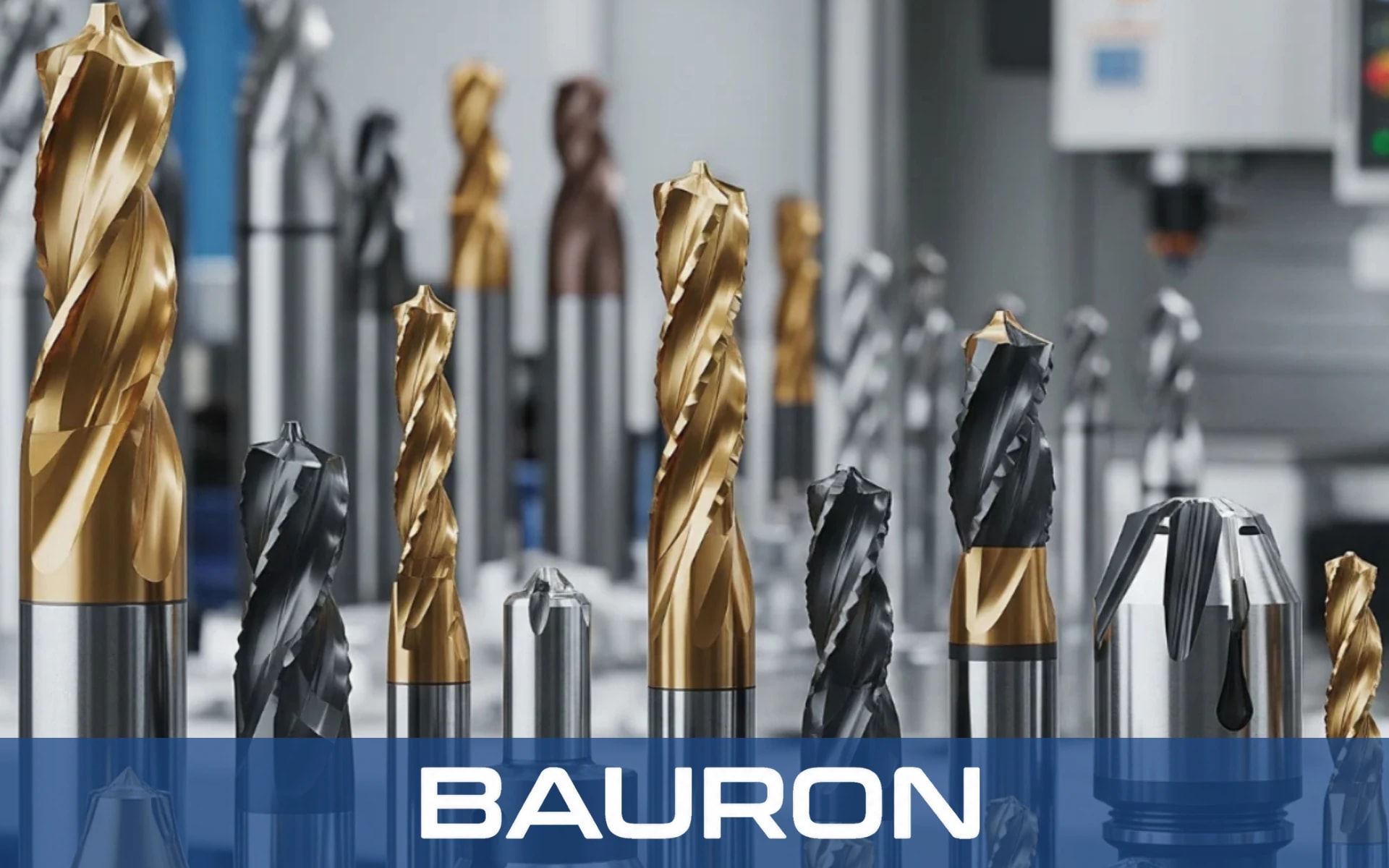
Every machine shop meets a part that catalog tools struggle with: a profile nothing in stock matches, a hard alloy that wears out end mills too fast, or one feature that takes four tool changes. A custom cutting tool solves these problems because it is designed around the job, not the catalog. This guide explains what custom CNC tools are, the main types of special cutting tools (from a custom end mill to a combination drill), the benefits of custom carbide tools, and when custom tooling pays off.
What Is a Custom Cutting Tool?
A custom cutting tool is a CNC tool designed and manufactured for one specific machining application, rather than selected from a standard catalog. Its geometry, dimensions, substrate, and coating are engineered around the part feature, workpiece material, machine setup, and required tolerance. The goal is to cut the feature more accurately, faster, or in fewer operations than standard tools allow.
Standard end mills, drills, reamers, and taps handle most everyday machining well. Custom tooling earns its place when a job pushes past their limits, such as complex contours on aerospace parts, tight-tolerance bores on medical components, or repeat features on high-volume automotive work.
Most custom cutting tools are ground from solid carbide for its hardness and wear resistance. They are then finished with a PVD coating, such as AlTiN, DLC, or nACo, matched to the material being machined.
Types of Custom Cutting Tools
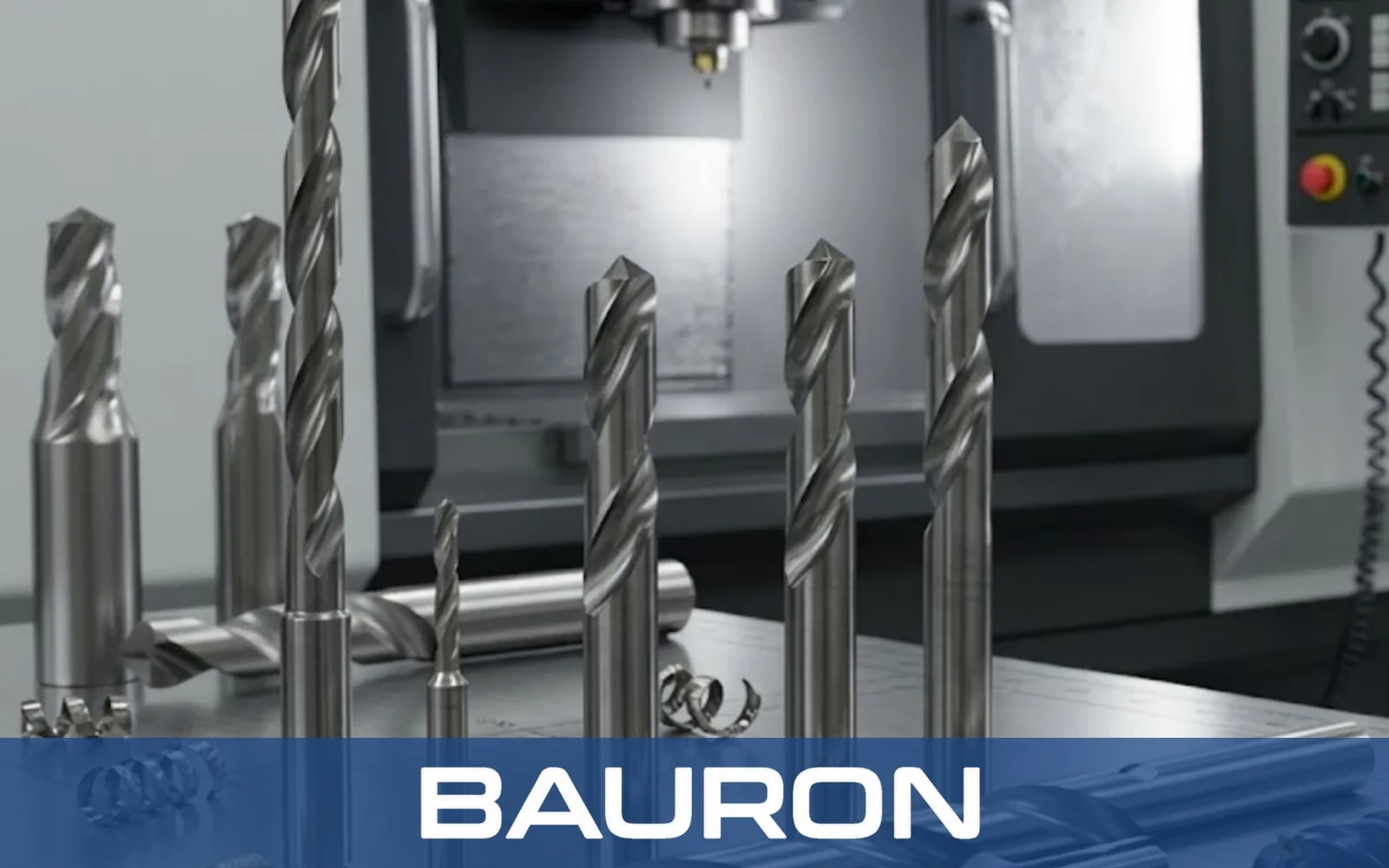
Custom cutting tools come in several common forms, each built to solve a different machining problem:
- Custom end mill: A special diameter, reach, neck relief, flute count, helix angle, or corner radius for deep pockets, thin walls, and chatter-prone setups.
- Form tools: Cut a complete profile, such as a radius, groove, or contour, in a single pass.
- Step drills: Two or more diameters in one operation for counterbored and stepped holes.
- Custom reamers: Finish bores to non-standard diameters or close tolerances such as H7.
- Custom taps: Produce special thread pitches, forms, or sizes in cut or roll-form designs.
- Special profile cutters: Machine dovetails, T-slots, undercuts, and other shapes standard tools cannot reach.
Benefits of Custom Tooling and When to Use It
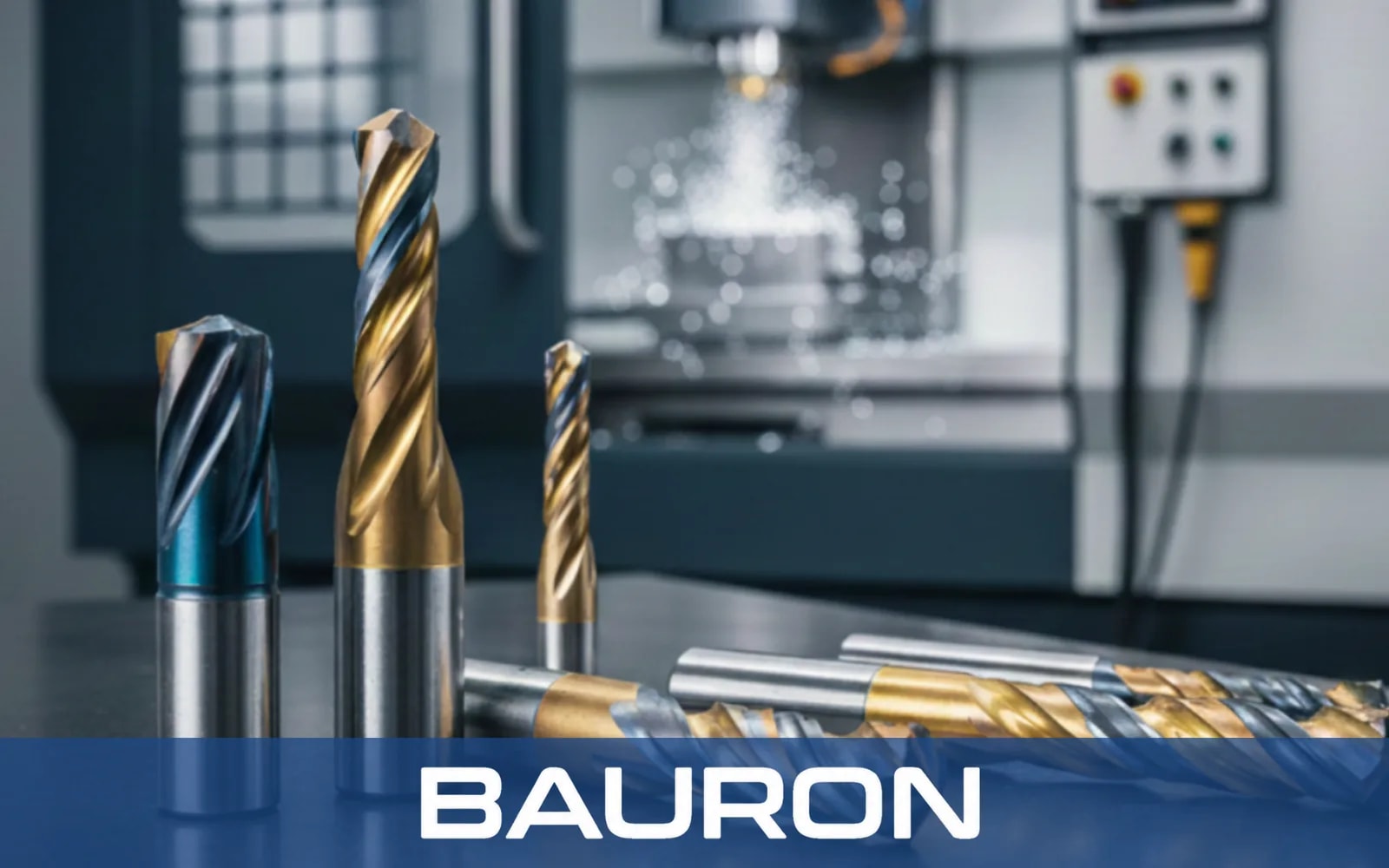
The right custom cutting tool improves more than a single operation. It can lift productivity, quality, and consistency across an entire production run.
Key benefits of custom CNC tools:
- Fewer operations and tool changes: One tool does the work of several, reducing spindle downtime and positioning errors.
- Reduced cycle times: Machining a feature in one pass saves time on every part, and the savings multiply across a production run.
- Consistent dimensions: Quality control is easier: when one tool forms the entire feature, its dimensions stay the same from part to part.
- Extended tool life in hard materials: Specialist tool geometry and coatings manage heat, wear, and chip flow in titanium, Inconel, and hardened steel.
- Improved surface finish: An optimized flute design and helix angle reduce vibration and chatter.
- Lower cost per part: Saved machine time and less scrap often recover the higher tool price.
Custom vs. Standard Cutting Tools
| Factor | Standard cutting tool | Custom cutting tool |
|---|---|---|
| Design basis | General use across many parts | One specific part feature |
| Geometry | Catalog sizes and profiles | Any diameter, length, step, or profile |
| Availability | Usually in stock | Made to order |
| Price per tool | Lower | Higher |
| Cost per part | Can rise with extra operations | Often lower in repeat production |
| Best for | Common features and prototypes | Complex features, hard materials, repeat jobs |
When Should You Use a Custom Cutting Tool?
Consider custom tooling when:
- One feature needs three or more standard tools to finish.
- The job repeats often or runs in high volume.
- The part has a profile, step, or undercut no catalog tool matches.
- Standard tools wear out quickly in your material.
- You face the same chatter, finish, or size-drift problem on every run.
Standard tools remain the better choice for prototypes with changing designs, very short runs, and common features already meeting tolerance and cycle-time targets.
When Should You Use a Standard Cutting Tool?
A custom tool is not always the right answer. Standard cutting tools are usually the better choice when:
- The part is a prototype or its design is still changing.
- The job is a one-off or a very short run that cannot recover the design cost and lead time.
- The feature is generic, such as a standard hole, slot, or pocket.
- A standard tool already meets your tolerance, finish, and cycle-time targets.
- You need the tool immediately and can't wait for a made-to-order design.
How Bauron Builds Custom Carbide Tools
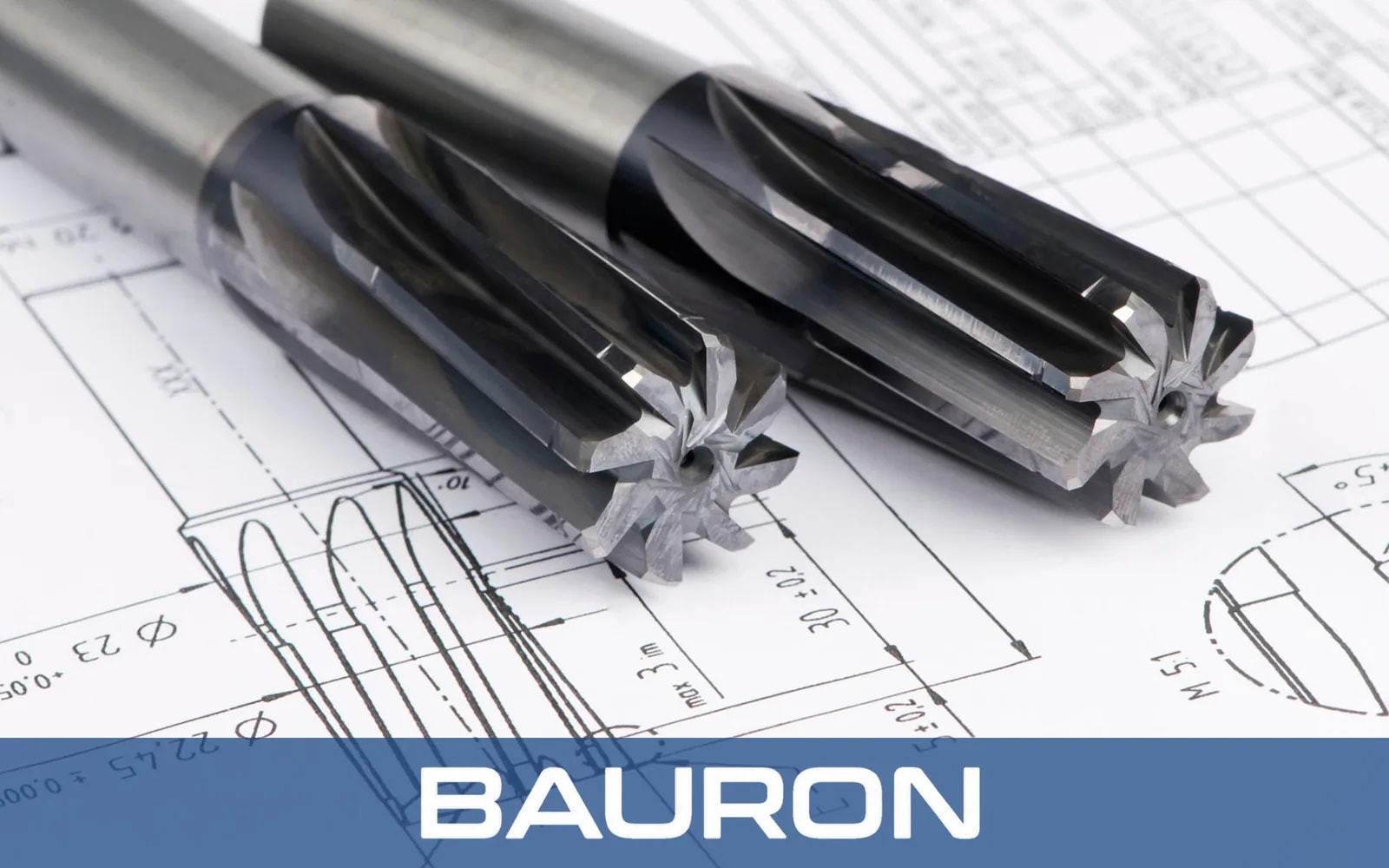
Bauron turns your drawing into a production-ready tool in five steps:
- Drawing reviewOur engineers review your STEP, DXF, or PDF files to determine feasibility.
- Geometry and metallurgyThe carbide substrate, helix angle, and PVD coating are optimized for your material and machine.
- Precision grindingTools are ground on multi-axis CNC grinding centers with in-process metrology.
- Inspection and certificationEach tool is optically and CMM inspected, with Material Test Reports, a Certificate of Conformance, and full traceability.
- Application supportEngineers help optimize feeds and speeds, review CAM toolpaths, and solve chatter issues.
Bauron is ISO 9001:2015 certified, has no minimum order quantity, and supports everything from single prototype tools to high-volume production.
Get the Right Custom Cutting Tool for Your Application
A custom cutting tool is the smart choice when standard tools add operations, wear out too fast, or can't hold your tolerance. From a custom end mill to a combination drill or special-thread tap, purpose-built custom CNC tools can shorten cycle times, improve consistency, and lower your cost per part. For prototypes and common features, standard tools still make sense, and the right partner will tell you which you need.
Struggling with a feature that standard tools can't handle? Send your part drawing to Bauron's engineers for a feasibility review and a custom tooling quote. Get a Quote or Ask an Engineer today to get started.