
Additive Support Structure Removal
Chipbreaker end mills can shear support scaffolding and lattice anchors from printed blanks while evacuating the resulting chips.
Cutting tools for the prototyping support industry: removing supports, sizing holes, machining mating faces, and finishing additively manufactured metal and polymer parts.
In the 3D printing industry, CNC post-processing with Bauron cutting tools combines additive design freedom with subtractive control of mating surfaces, bores, threads, and blended contours. Printed parts for aerospace and medical applications are also addressed in our industry solutions.
Chipbreaker end mills can shear support scaffolding and lattice anchors from printed blanks while evacuating the resulting chips.
Multi-flute end mills flatten warped top faces and machine O-ring channels, mounting flanges, and other functional interfaces.
Spiral flute reamers finish stair-stepped printed holes for dowels, fasteners, and close-fitting assemblies. For non-standard bore sizes, custom reamers can be ground to the required diameter.
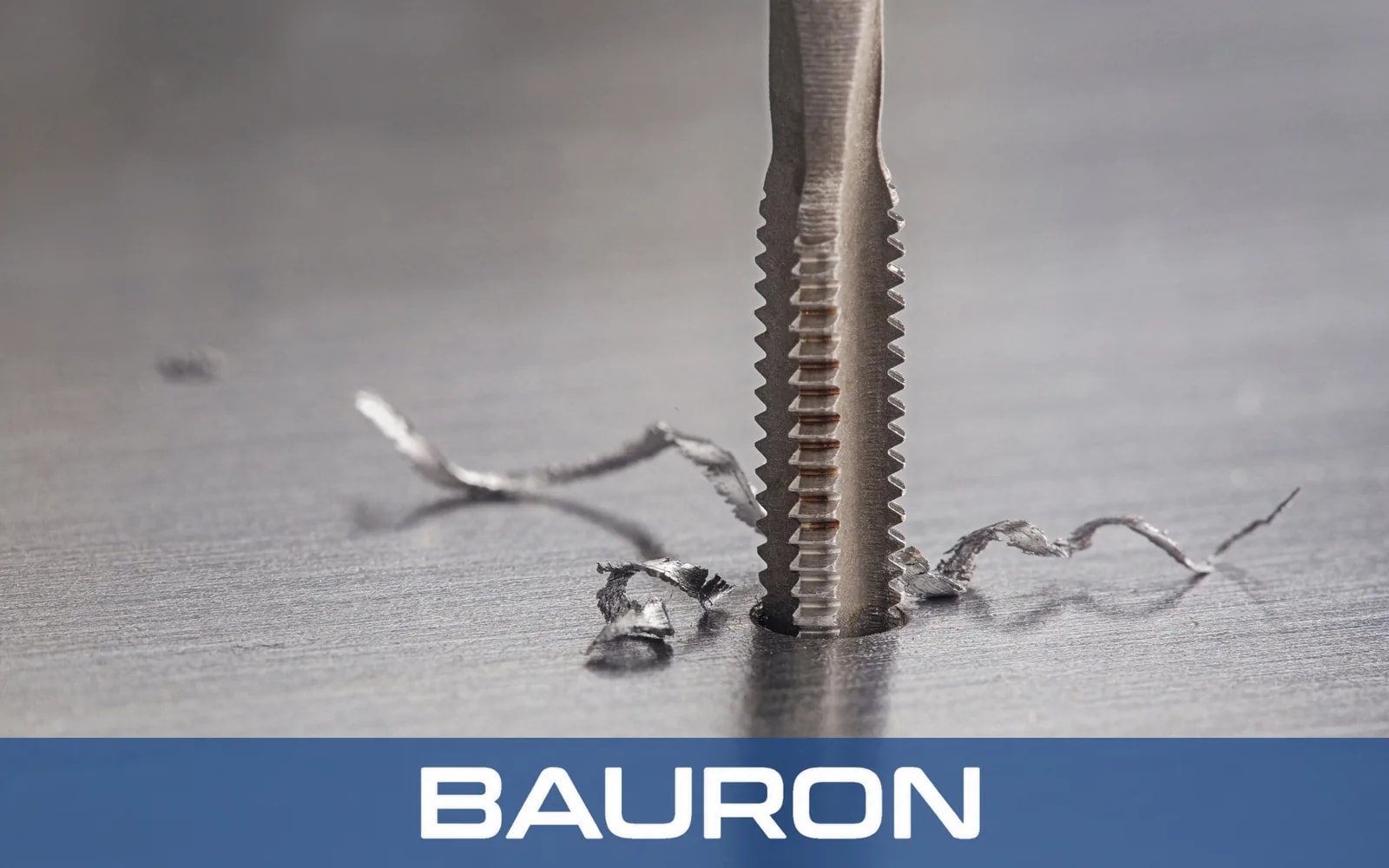
Thread mills and solid carbide taps create female threads in printed titanium, nickel alloys, stainless steels, and polymer bosses.
Tapered ball nose end mills and lollipop cutters blend layer lines on curved surfaces and organic fluid-manifold geometries.
Additive parts may present porous, work-hardened, abrasive, or heat-sensitive surfaces, so tool geometry, substrate, coating, and cutting conditions must suit the printed material.
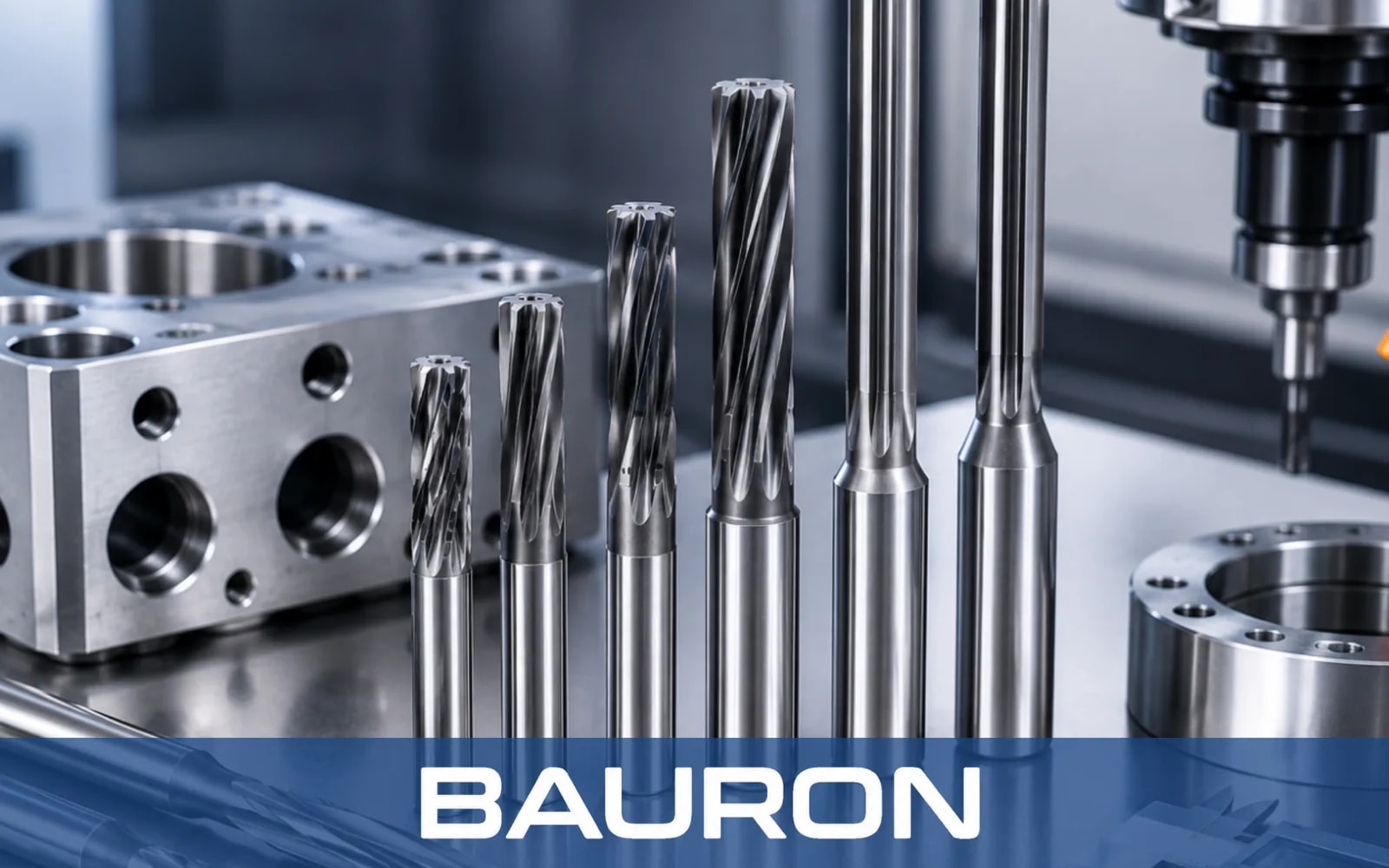
Sharp, low-vibration geometries and heat-resistant coatings help manage friction and interrupted contact with layer lines.
Heat-resistant PVD coatings and controlled cutting conditions help limit work hardening while removing printed skin layers.
Rigid micro-grain carbide tools support cutting hard, heat-resistant printed alloys during support removal and finishing.
SLA, SLS, and FDM materials benefit from high-rake, polished single-flute tools that clear soft chips and reduce frictional heating.
Evacuate dense support material during scaffold and anchor removal.
View toolFinish rough, stair-stepped printed holes to their required size and surface condition.
View toolSmooth layer lines and blend curved, organic printed surfaces.
View toolAdd part numbers, revision codes, and vector details to prototype components.
View tool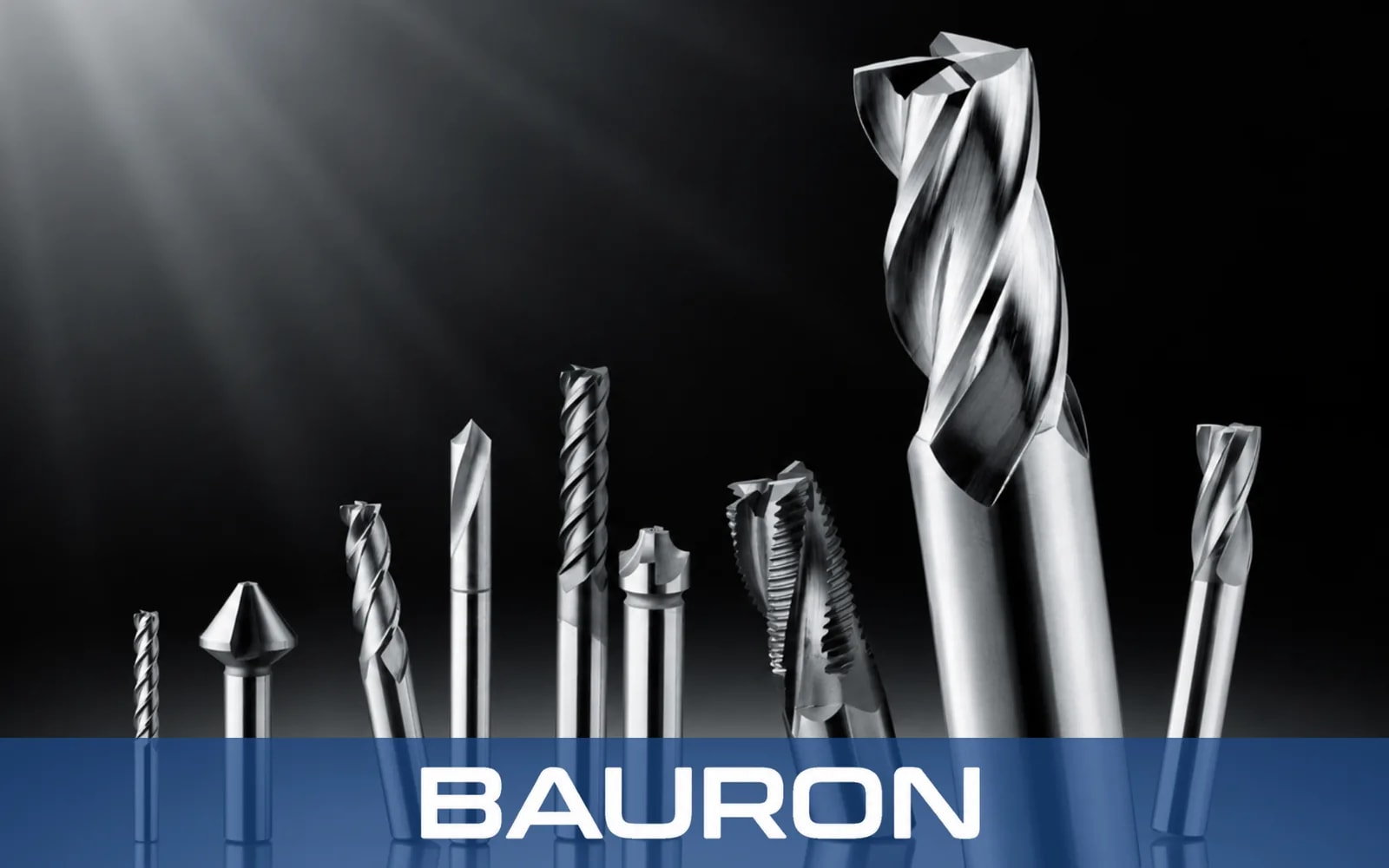
Appropriate finishing tools can turn rough additive surfaces into smoother, more functional mating and sealing faces.
High-feed flute geometries can reduce post-processing time on complex printed parts when the setup and material allow.
Full-radius tools can blend internal transitions and reduce stress-concentrating surface irregularities.
Purpose-selected geometries can machine both abrasive printed metals and softer polymers while limiting burrs and edge loading.
Achievable tolerance depends on the machine, workholding, part stability, material, and operation. CNC finishing is commonly used to bring printed bores, flanges, and mating faces to tighter dimensions than the additive process alone.
Common materials include Ti-6Al-4V titanium, 17-4PH and 316L stainless steel, Inconel 718, AlSi10Mg aluminum, SLA and SLS polymers, and carbon-fiber-reinforced filaments.
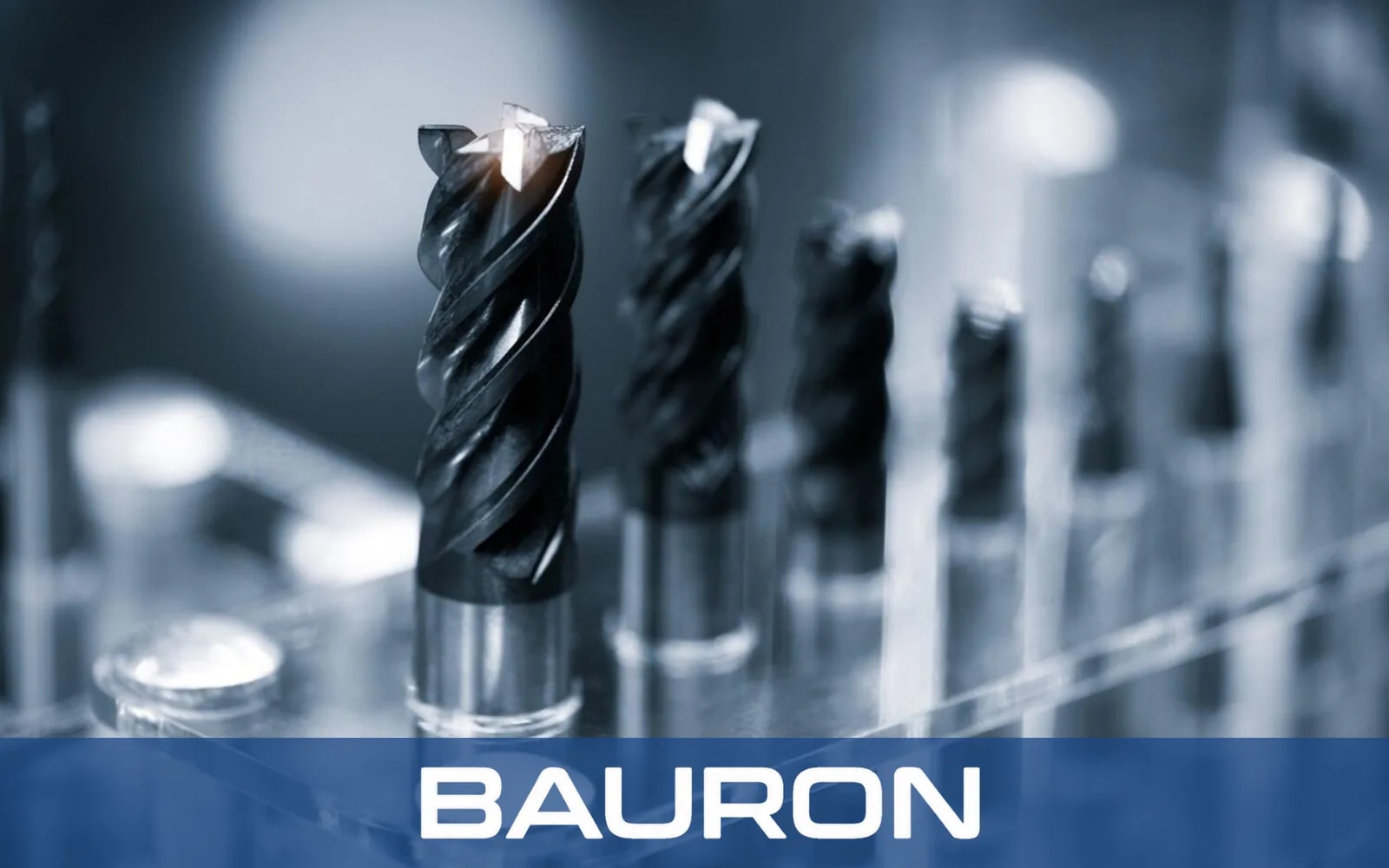
Sharp cutting edges, rigid micro-grain carbide substrates, and friction-reducing PVD coatings can shear rough additive skins more cleanly and reduce grabbing when paired with suitable cutting parameters.
Through Bauron's custom tool manufacturing, support-removal end mills, extended-reach reamers, and radius blending cutters can be developed around the printed geometry, access limits, material, and finishing requirement.
Discuss support-removal cutters, additive surface finishing tools, or custom post-processing tooling with Bauron for your printed components. To match a specific printed geometry, request a custom tooling quote.
Custom geometries, reach requirements, and coating options for complex additive post-processing challenges can be reviewed by the design and engineering team at Bauron Tools.
Talk to Engineering