
API and Premium Thread Milling
Specialized double-angle and thread mills cut pressure-sealing thread forms on drill pipes and casing couplings. Smaller tapered threads in ports and fittings can be cut with pipe taps.
Rugged, high-rigidity cutting tools for machining high-strength alloys and heavy-walled components used in oil and gas manufacturing.
Producing CNC machined parts for oil and gas combines high-torque stock removal, accurate thread and sealing features, deep-cavity work, and chatter control across dense alloys selected for pressure, temperature, and sour-gas service. Energy, marine, and other heavy-duty sectors are covered in our broader industry solutions.
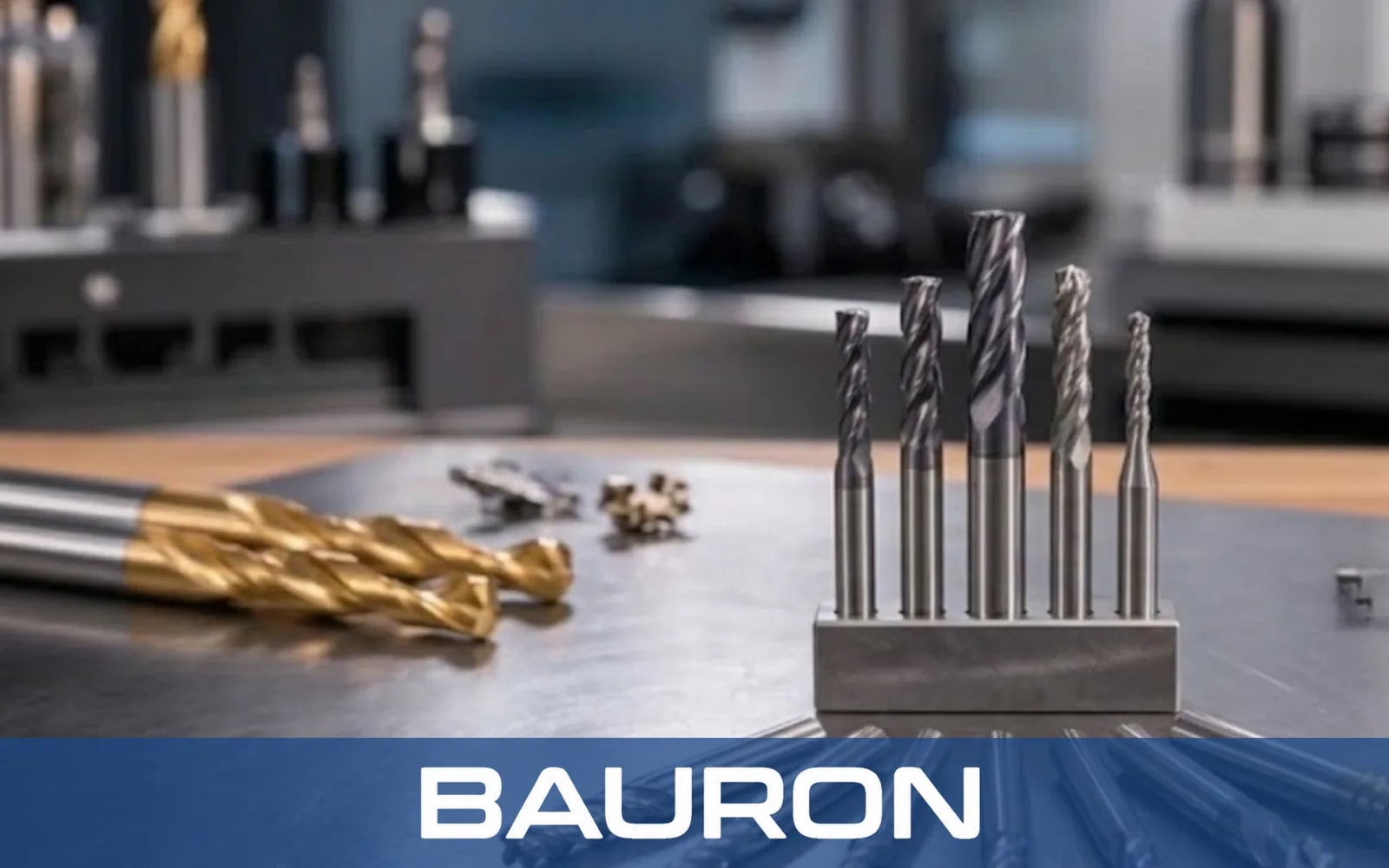
Specialized double-angle and thread mills cut pressure-sealing thread forms on drill pipes and casing couplings. Smaller tapered threads in ports and fittings can be cut with pipe taps.
Rigid end mills remove heavy stock for fluid channels and cutter-pocket seats in steel drill-bit bodies.
Extended-reach form tools finish deep internal valve cavities and flow-control manifolds while helping control chatter. Gun drills can produce the long, straight passages that connect these cavities.
Full-radius and keyseat cutters machine smooth seal-ring grooves in wellhead components.
Staggered-tooth cutters machine drive keyways in high-torque subsea pump and propulsion shafts.
Oil and gas machining components use high-strength and corrosion-resistant alloys intended for demanding pressure, temperature, and sour-gas environments, requiring carefully selected carbide, edge geometry, and coatings.
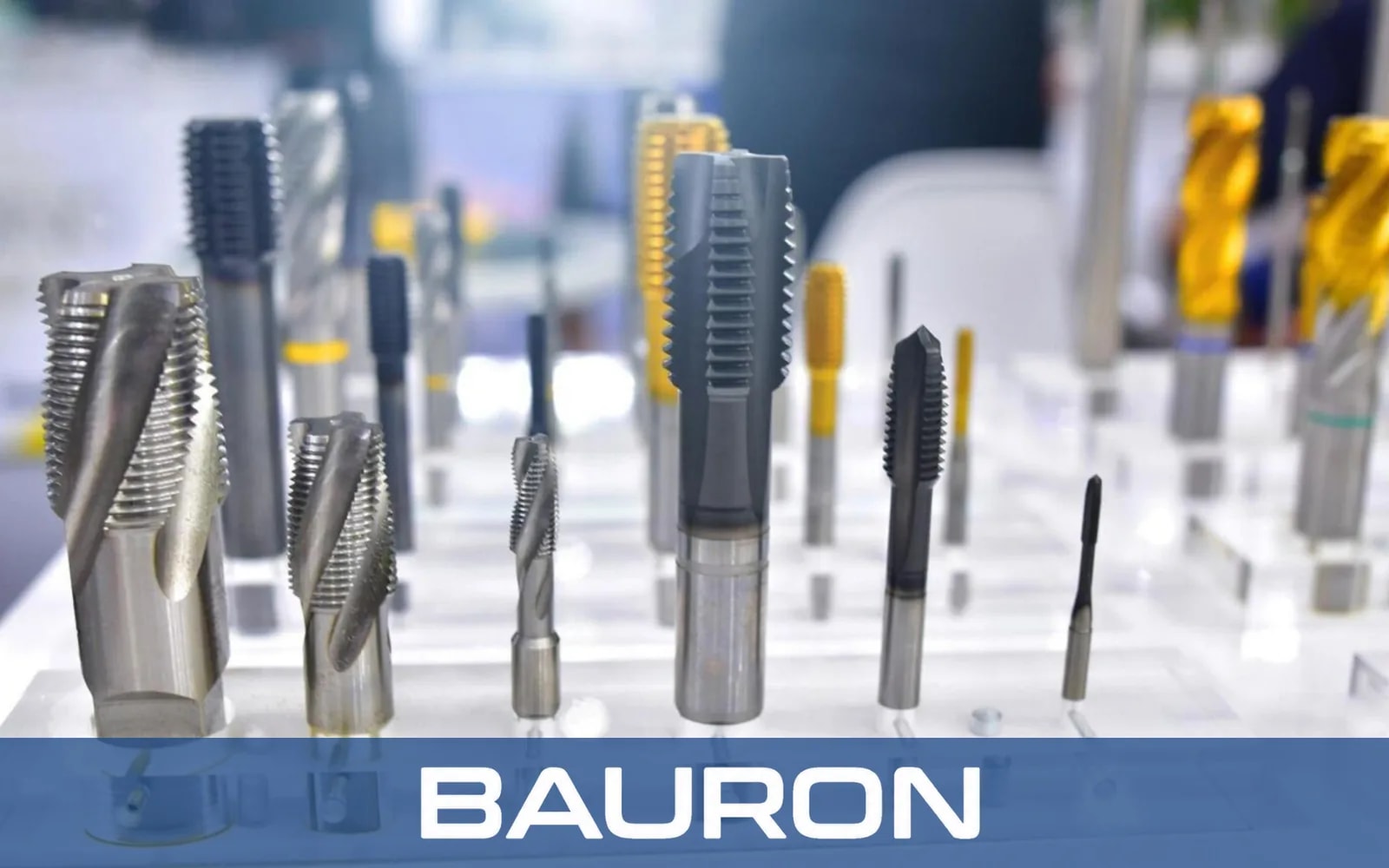
Heat-resistant coatings such as AlTiN or nACo can help manage abrasive and thermal cutting-edge wear.
High-rigidity carbide-core tools help resist deflection as the material work-hardens during heavy profiling.
Staggered-tooth and chipbreaker geometries support stable slotting and chip evacuation in heavy forgings. For long bores in the same forgings, deep hole drills are designed for stability and efficient chip removal at depth.
Sharp, polished flutes support clean thread and seal-seat finishing while helping limit galling.
Cut drive keyseats in high-torque shafts while staggered teeth help control chatter.
View toolMachine radiused O-ring and seal-ring grooves in high-pressure valve hardware.
View toolRemove heavy stock and evacuate chips from forged-steel drill-bit bodies.
View toolMill thread forms and 60-degree V-grooves in oilfield components.
View tool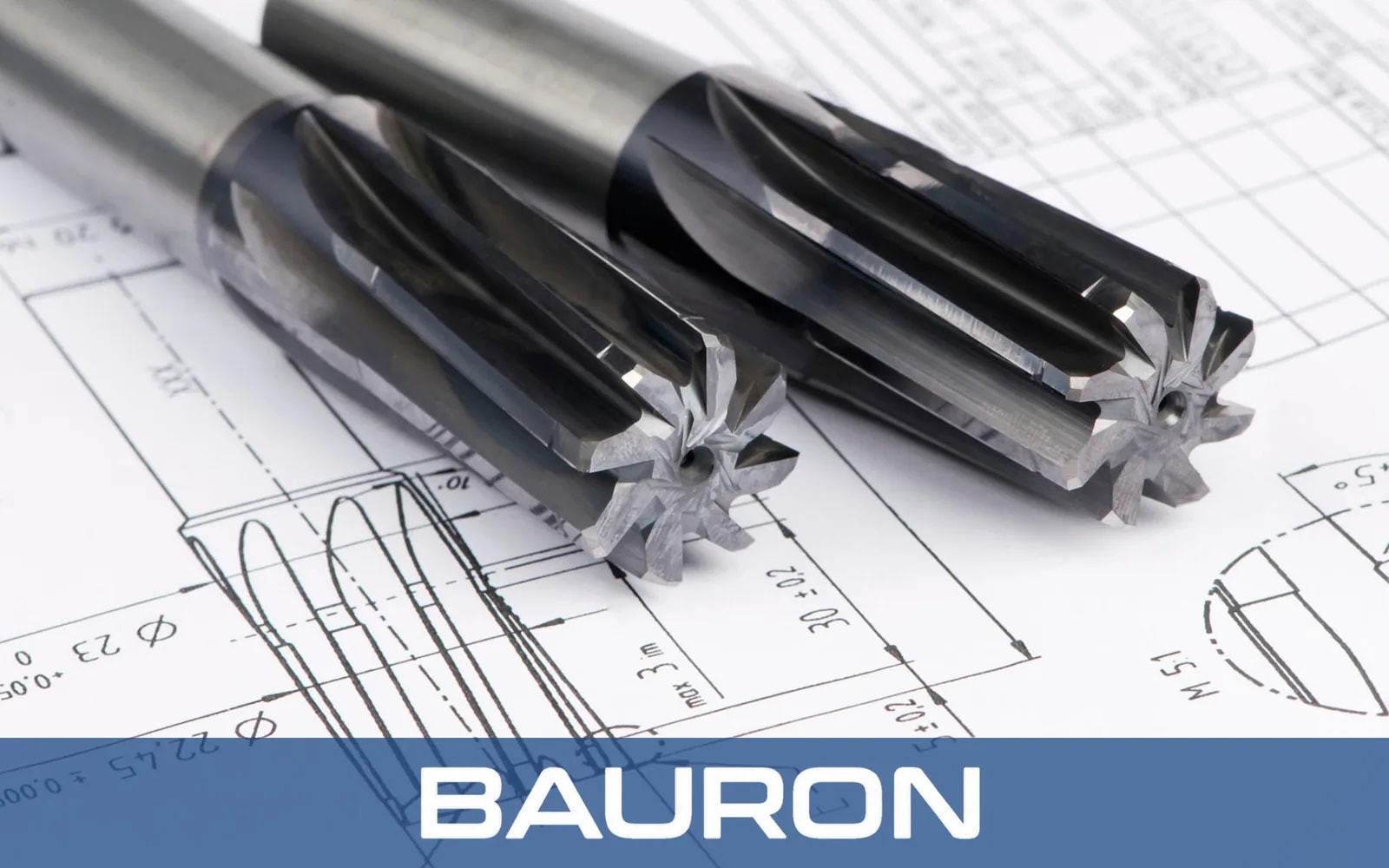
Reinforced-core designs can suppress harmonic chatter during deep, extended-reach cavity milling.
Ground form cutters can produce smooth, low-burr seal seats when supported by a stable, validated process. For gas and fluid-control fittings, pipe threading taps cut parallel or tapered internal threads.
Application-matched PVD coatings can help protect cutting edges from heat during superalloy milling.
Suitable carbide, edge preparation, coatings, and cutting parameters can reduce cost per part when machining abrasive alloys.
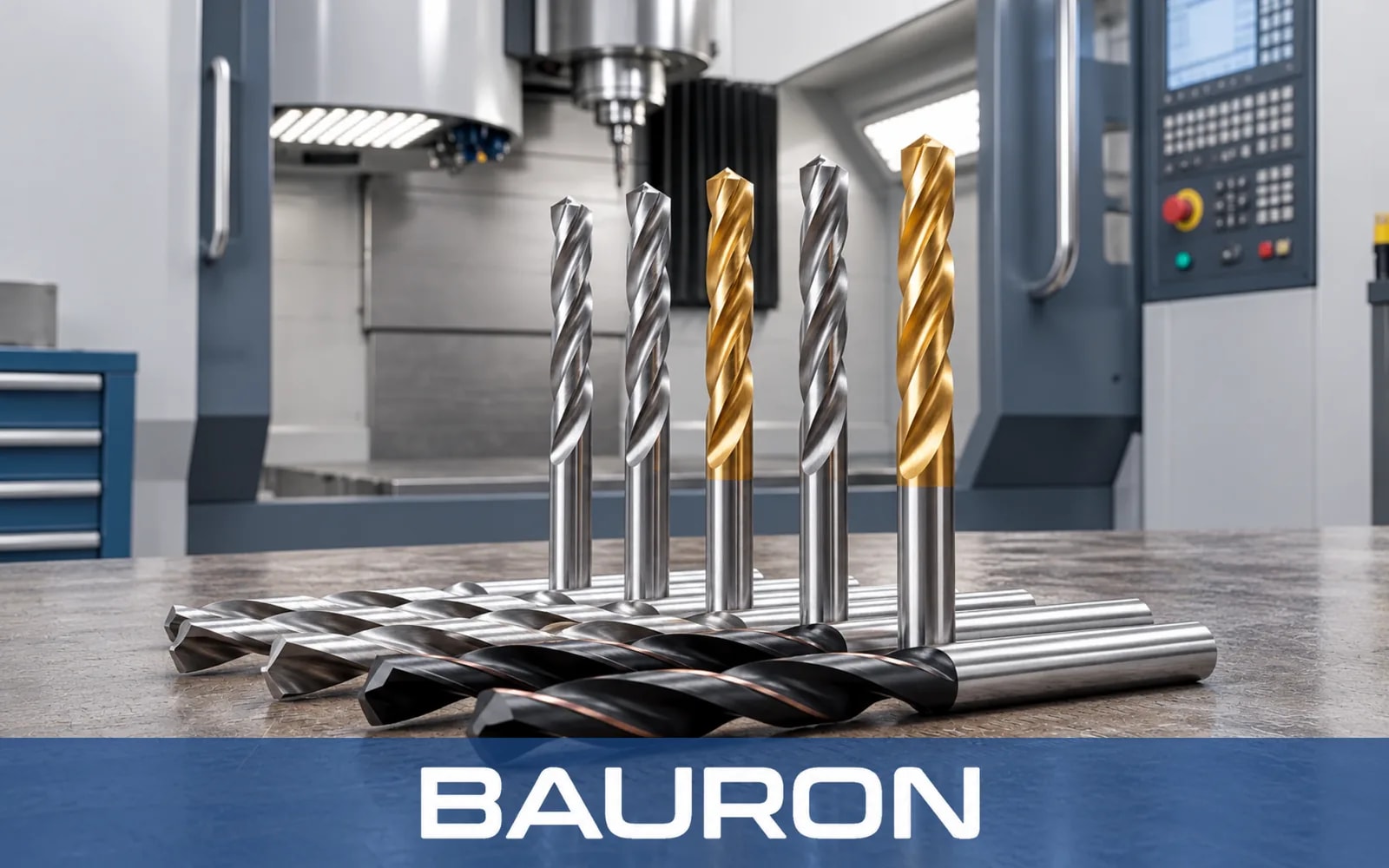
Critical wellhead and valve features may target tolerances around ±0.0002 in (±0.005 mm), but actual capability depends on the machine, setup, tool, material, process control, and inspection method.
Common materials include Inconel 718, super duplex stainless steel, Monel, AISI 4140 and 4340 alloy steels, titanium, and beryllium copper.
Micro-grain carbide substrates, reinforced cutting edges, heat-resistant coatings such as nACo or AlTiN, stable engagement, and appropriate cutting parameters can improve hot-hardness and wear resistance.
Bauron Tools can evaluate custom thread-form cutters, extended-reach porting tools, and heavy-duty keyseat cutters against oilfield component drawings, materials, machines, and process requirements.
Discuss thread mills, seal-seat cutters, heavy-duty slotting tools, or custom superalloy tooling with Bauron for your oil and gas application. Send the component drawing and material grade to request a custom tooling quote.
Bauron's engineering team can review custom thread forms, extended-reach geometries, carbide grades, edge preparations, and coatings for difficult oil and gas machining applications.
Talk to Engineering