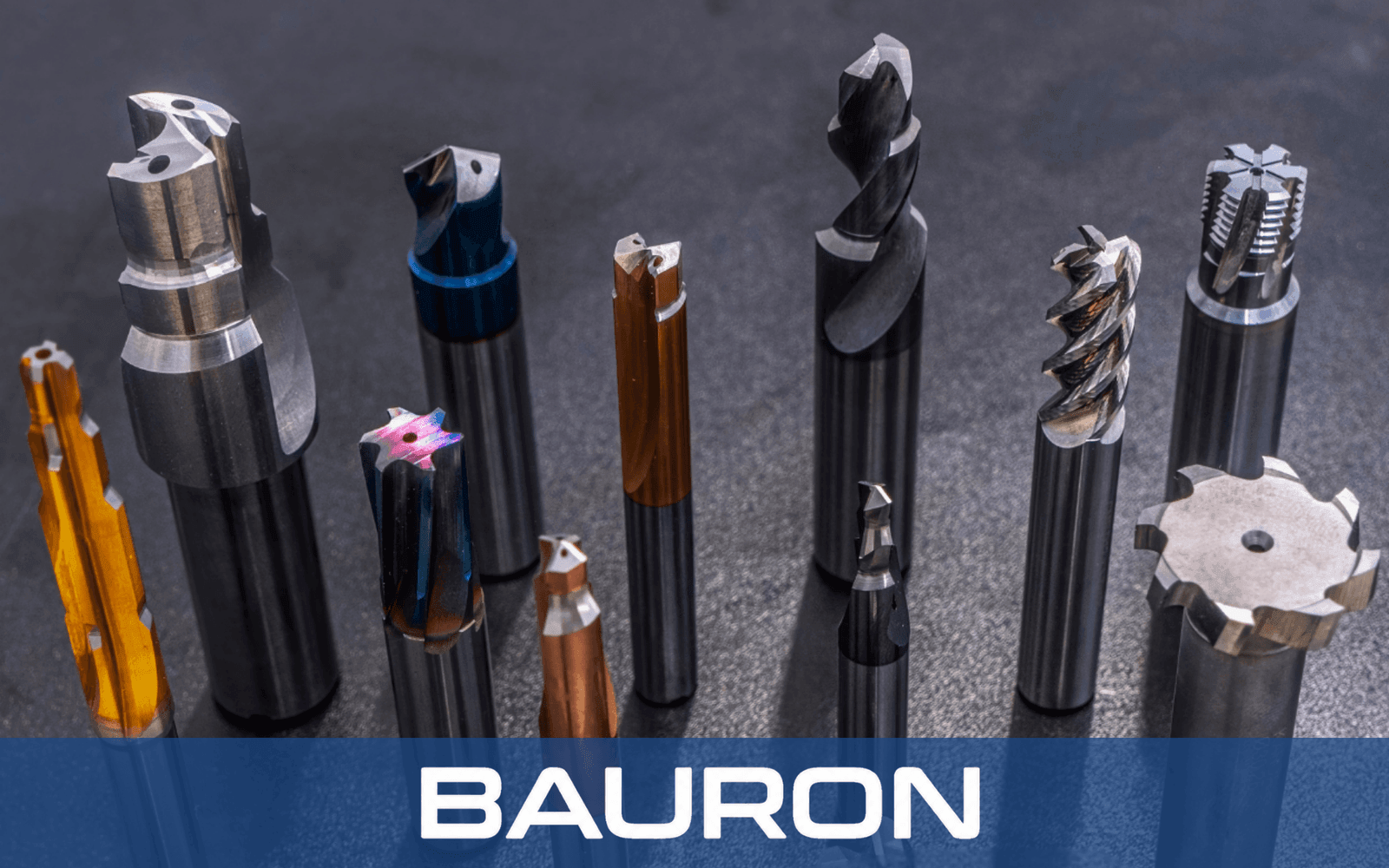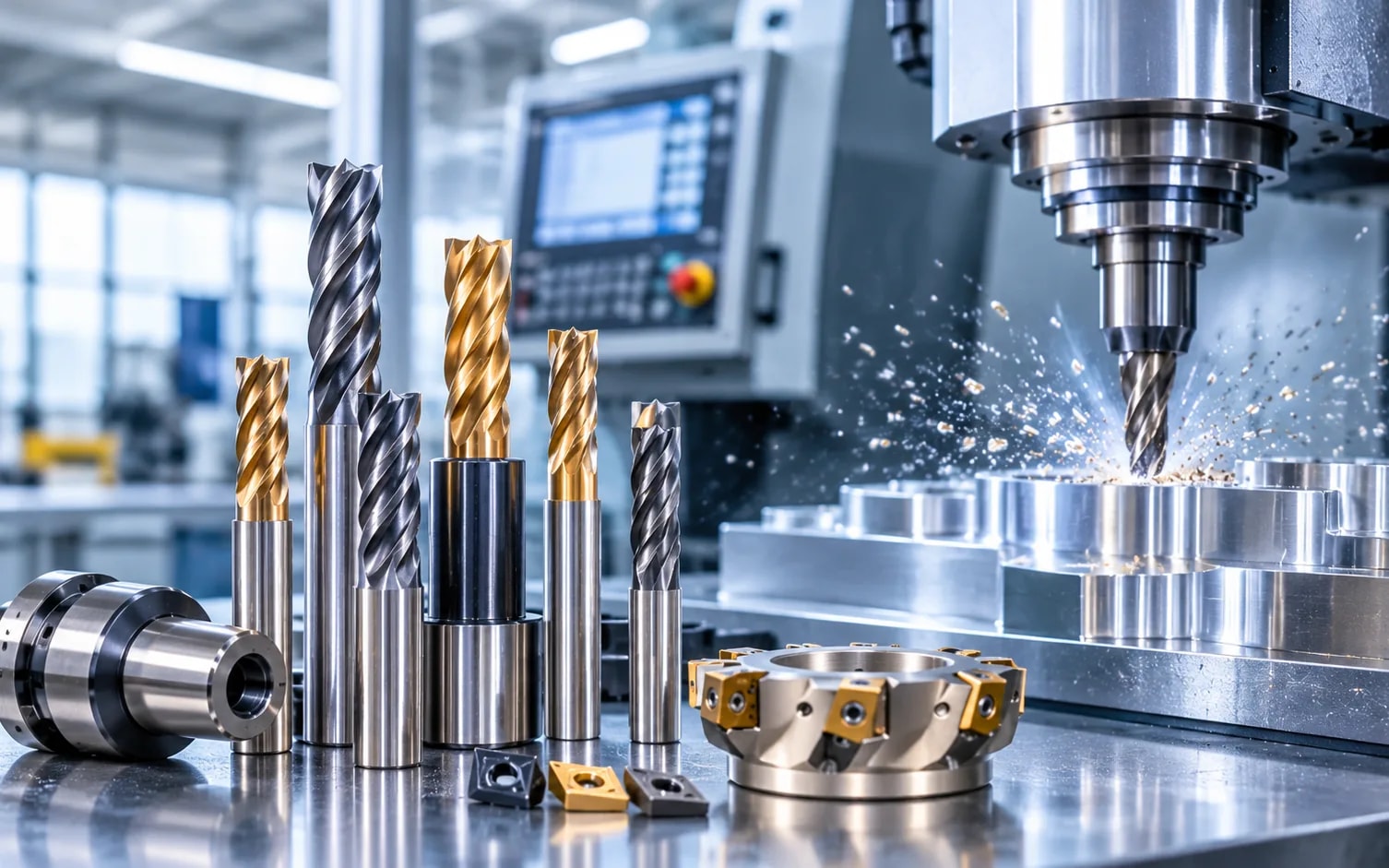
Almost every metal part around you, from a car engine to a phone case, was shaped by a cutting tool. The machine and the operator matter, but the tool that touches the metal decides how smooth, accurate and fast the result is. That is why advanced tooling technologies have become one of the most exciting areas in manufacturing today.
Not long ago, most workshops bought a standard tool from a catalog and made it work as best they could. Today, factories work with tougher metals and need parts that fit together almost perfectly. Ordinary tools often struggle with that. New materials, smarter designs and better ways of making tools are solving the problem.
In this article, we explain in simple terms how precision CNC tooling (cutting tools used in computer-controlled machines) and advanced machine tool technology are changing. We look at what tools are made of, how they are shaped, how machines are getting smarter, how tools are becoming greener, and what comes next. If you buy, use or simply want to understand manufacturing, this will help you see where it is heading.
What Are Advanced Tooling Technologies?
Advanced tooling technologies are the new ideas that make cutting tools sharper, stronger, longer-lasting and better suited to a specific job. The phrase covers both the tool itself and the advanced machine tool technology that drives it.
In simple terms, these advanced tooling technologies improve four things:
- What the tool is made of: Stronger, harder materials that stay sharp longer.
- What covers the tool: Thin protective layers that help it resist heat and wear.
- How the tool is shaped and made: More exact designs, made by highly accurate machines.
- How the tool is chosen and watched: Software that helps design the right tool and machines that can sense when a tool is wearing out.
Together, they let a factory move from “the tool we have” to “the tool this job really needs.”
Better Tool Materials and Protective Coatings
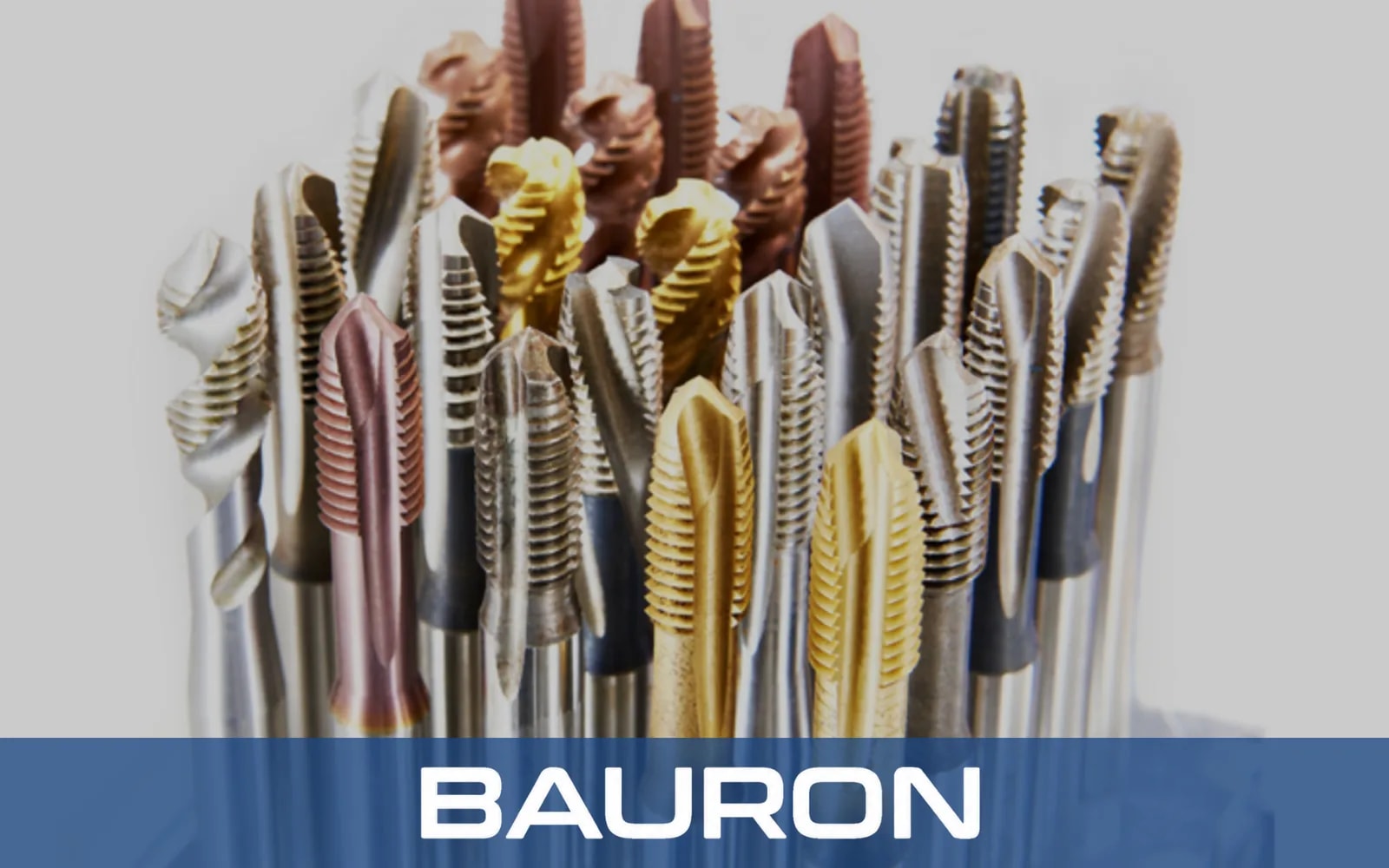
The biggest improvements in recent years come from what tools are made of and what covers them. The material decides how strong the tool is. The coating works like a protective skin that helps it last longer.
Stronger tool materials
Most high-quality cutting tools today are made from carbide, a very hard material that stays sharp even when cutting tough metals at high speed. Newer versions use extremely fine particles, which makes the cutting edge both sharper and less likely to chip.
Some tools are still made from a tougher type of steel. It is not quite as hard as carbide, but it bends a little instead of breaking. That makes it a good choice for older machines or jobs where the tool takes a lot of knocks.
Super-hard materials for the hardest jobs
Some tools incorporate man-made diamond and other super-hard materials to deal with exceptionally hard metals. With super-hard materials, even hardened steel and other aircraft construction materials can now be cut. These super-hard materials do not wear down as quickly as traditional tools.
Coatings matched to the job
A coating is a very thin layer applied to the tool's surface. Different coatings suit different jobs:
| Type of coating | Good for | Main benefit |
|---|---|---|
| Heat-resistant coatings | Steel and very tough metals | Keep the tool working when it gets very hot |
| Slippery coatings | Aluminum and softer metals | Stop metal from sticking to the tool |
| Hard-wearing coatings | Everyday jobs and harder metals | Make the tool last longer at a lower cost |
Bauron makes its tools from high-quality carbide and tough tool steel, and chooses the coating that best suits each customer's material and job. Our guide to end mill coatings explains the main coating types in more detail.
Precision CNC Tooling: Getting the Shape Exactly Right
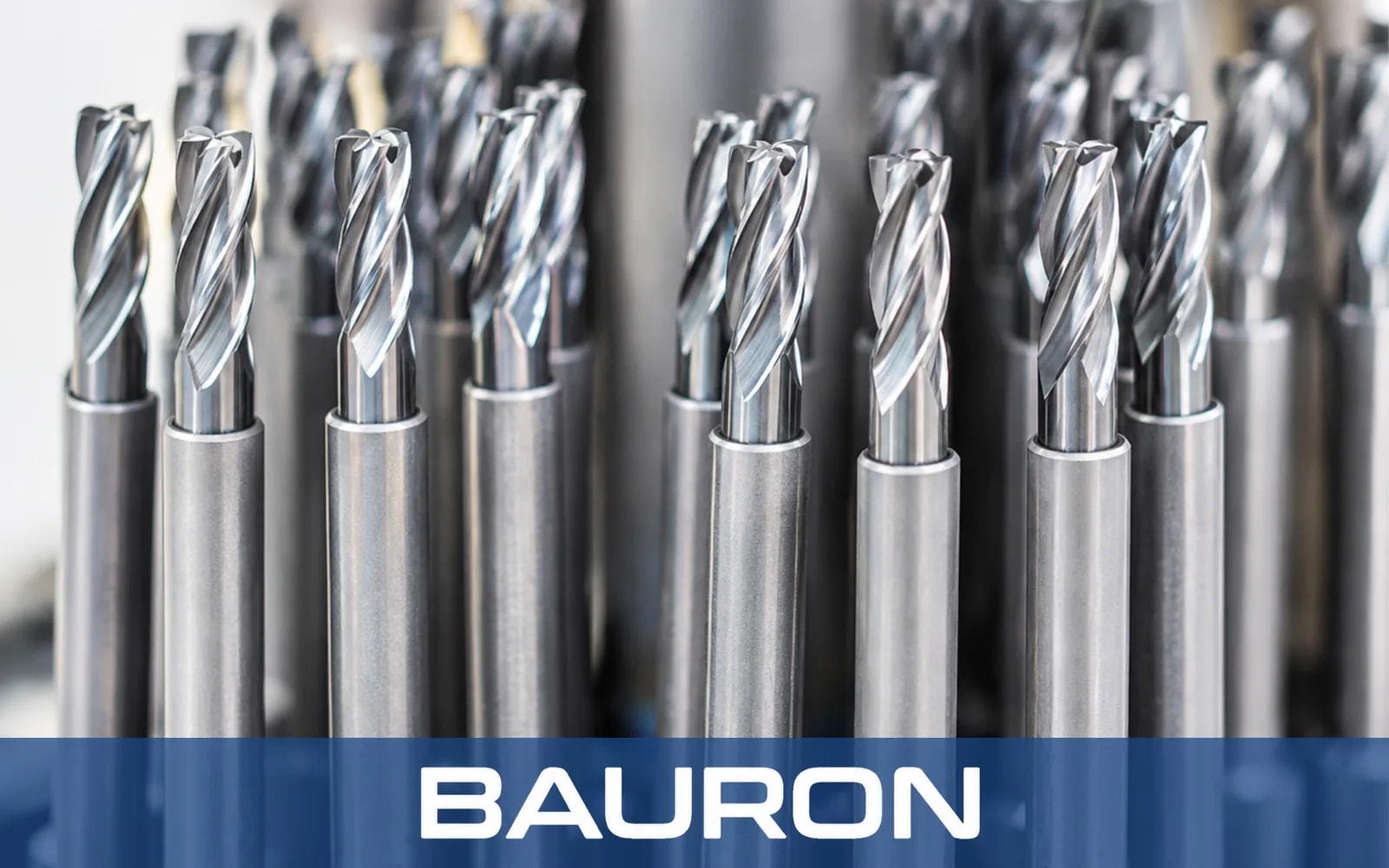
Precision CNC tooling means cutting tools made to extremely exact sizes for computer-controlled machines. Even the best material will do a poor job if the tool's shape is wrong for the work.
Tools made by highly accurate machines
Modern tools are shaped on advanced grinding machines that can form complex shapes in one go. This makes it practical to produce special tools, even if a customer needs only one. Bauron makes tools accurate to within 2.5 thousandths of a millimeter on key features, which is many times thinner than a human hair.
Shapes designed for each job
Small changes in shape make a big difference:
- Number of cutting edges: Milling tools with fewer edges suit soft metals like aluminum, because they leave more room for chips to escape. Tools with more edges suit harder metals.
- Tip shape: Different drill tips are used for soft and hard metals to stop the drill from wandering.
- Built-in cooling: Drills with small internal channels carry cooling liquid to the tip and help with deep drilling.
- Exact holes and threads: Finishing tools make holes perfectly round and to size, and threading tools cut the screw threads that hold parts together.
Checking every tool
Accuracy only matters if it is checked. The best tool makers now measure every single tool with precise optical equipment, rather than checking a few samples. Bauron's production meets the international ISO 9001 quality standard, and every tool is measured before it ships.
Smarter Machines and Advanced Machine Tool Technology
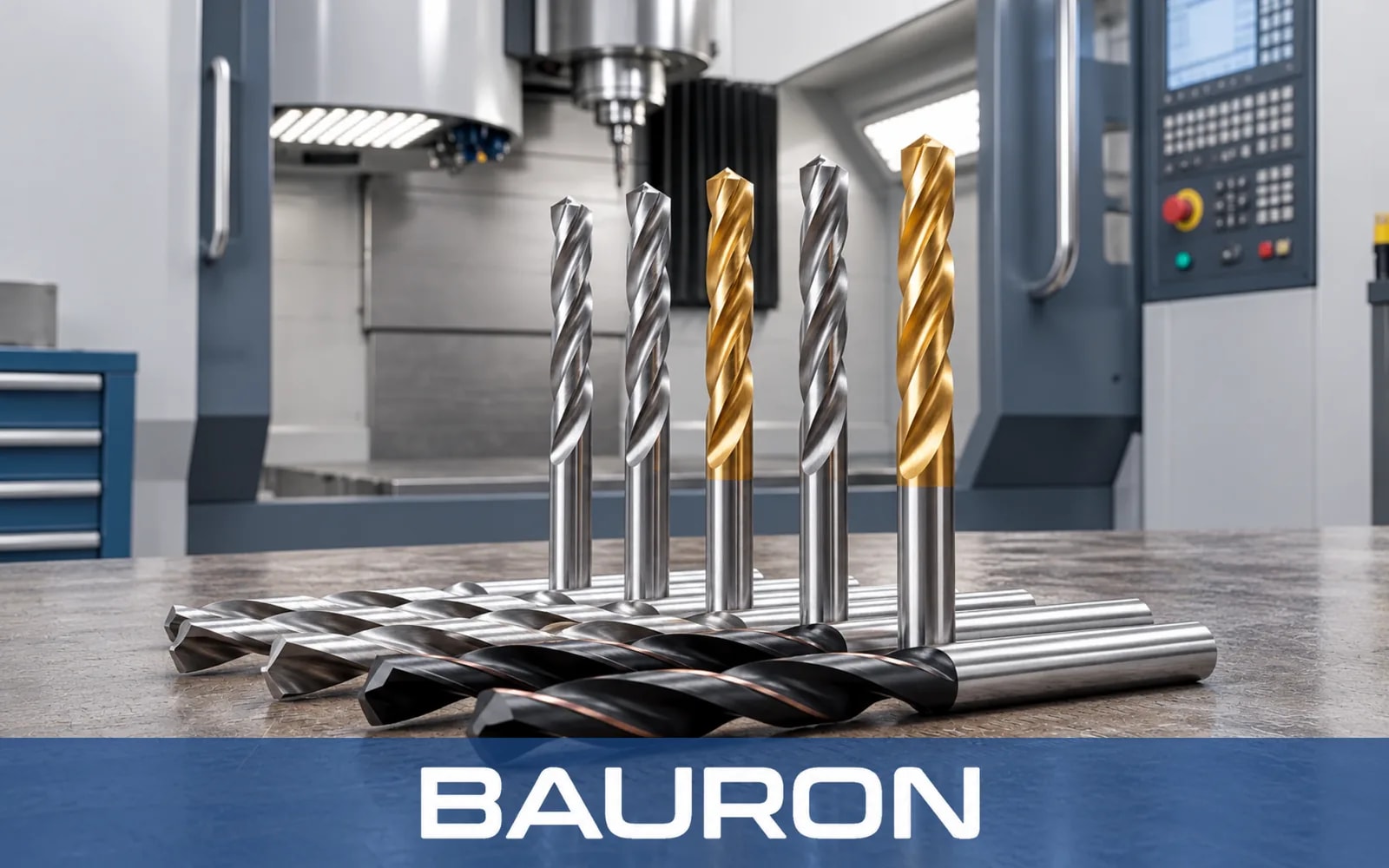
Tools are no longer working alone. Advanced machine tool technology connects the machine, the tool and the software, so problems are spotted before they ruin a part.
Machines that sense when a tool is wearing out
Some machines now have built-in sensors that notice when a tool starts to shake, strain or heat up. When that happens, the machine can slow down or swap in a fresh tool automatically. This means fewer broken tools, less wasted material and fewer surprise stoppages.
Testing on screen before cutting metal
Design software can now show how a tool will behave before any metal is cut. Engineers can try different tools on screen and pick the best one. That saves time and avoids costly trial and error.
Designing custom tools online
One of the newest changes is how tools are ordered. Instead of searching through a catalog, customers can now design a tool online. On the Bauron Custom Tool Design platform, customers choose the type of tool and fill in a simple form with details such as size and length. A Bauron engineer checks every design and suggests improvements before it is made. Customers can also send a drawing or an existing tool to be copied.
Factories that run overnight
Many factories now let machines run through the night with no one watching. For that to work, every tool must last as long as expected. A tool that wears out early can stop the whole night's work, so consistent quality matters as much as top performance.
What's Next, and What Stands in the Way
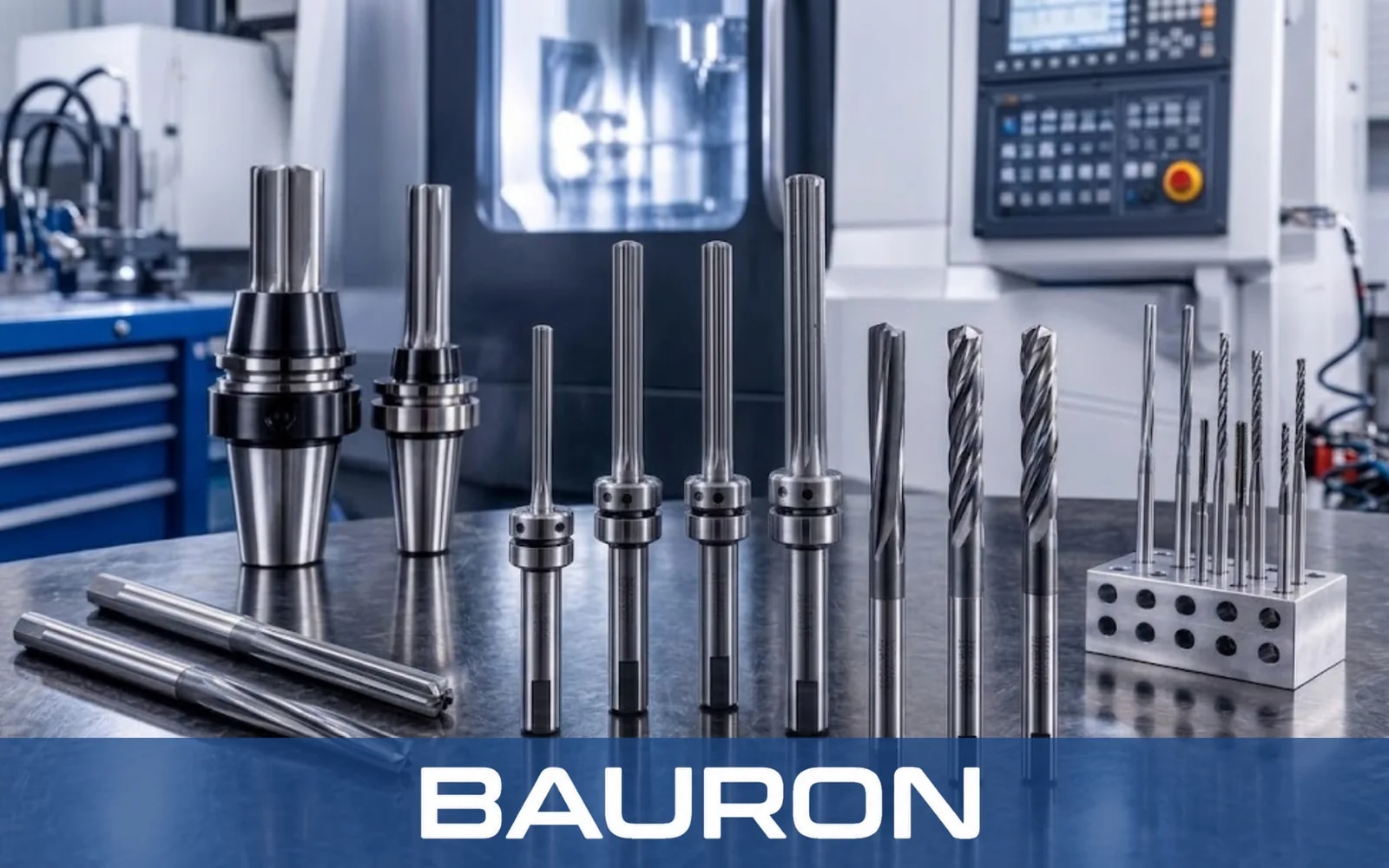
The future of advanced tooling technologies will be shaped by a few clear trends, along with some real hurdles.
What's coming next
- Computers that suggest the right tool: Software will recommend the best tool for a job based on the material, the machine and past results.
- Custom tools for everyone: Online design and faster production are making made-to-order tools affordable, even for a single piece.
- Tougher materials to cut: Aircraft, medical and energy industries use more hard-to-cut metals, which need specially designed tools.
- Tools that learn: Information collected while cutting will help design better tools each time.
Challenges to solve
Cost is the first hurdle. Better tools cost more to buy, even when they save money over time. Factories need clear evidence before they switch.
Skills are the second. Getting the most from modern machines takes trained people, and they are hard to find.
Raw materials are the third. Recycling and sharpening are important, since metal tool materials can be difficult and costly to obtain.
Finally, many factories still use machines and software that do not share information with each other. Until they do, smart tooling cannot reach its full potential.
Conclusion
Advanced tooling technologies are changing what factories can make. Stronger materials and protective coatings help tools last longer. More accurate tool making delivers near-perfect parts. Smarter machines and online design make it easier than ever to get exactly the right tool.
The companies that gain the most will be those that treat the cutting tool as an important choice, not an afterthought. Matching the tool to the job is one of the quickest ways to get better parts, faster, at lower cost.
Need a tool made for your exact job? Design your own tool on the Bauron Custom Tool Design platform. A Bauron engineer will check your design and help you get precision CNC tooling that fits your needs, from a single test piece to full production.