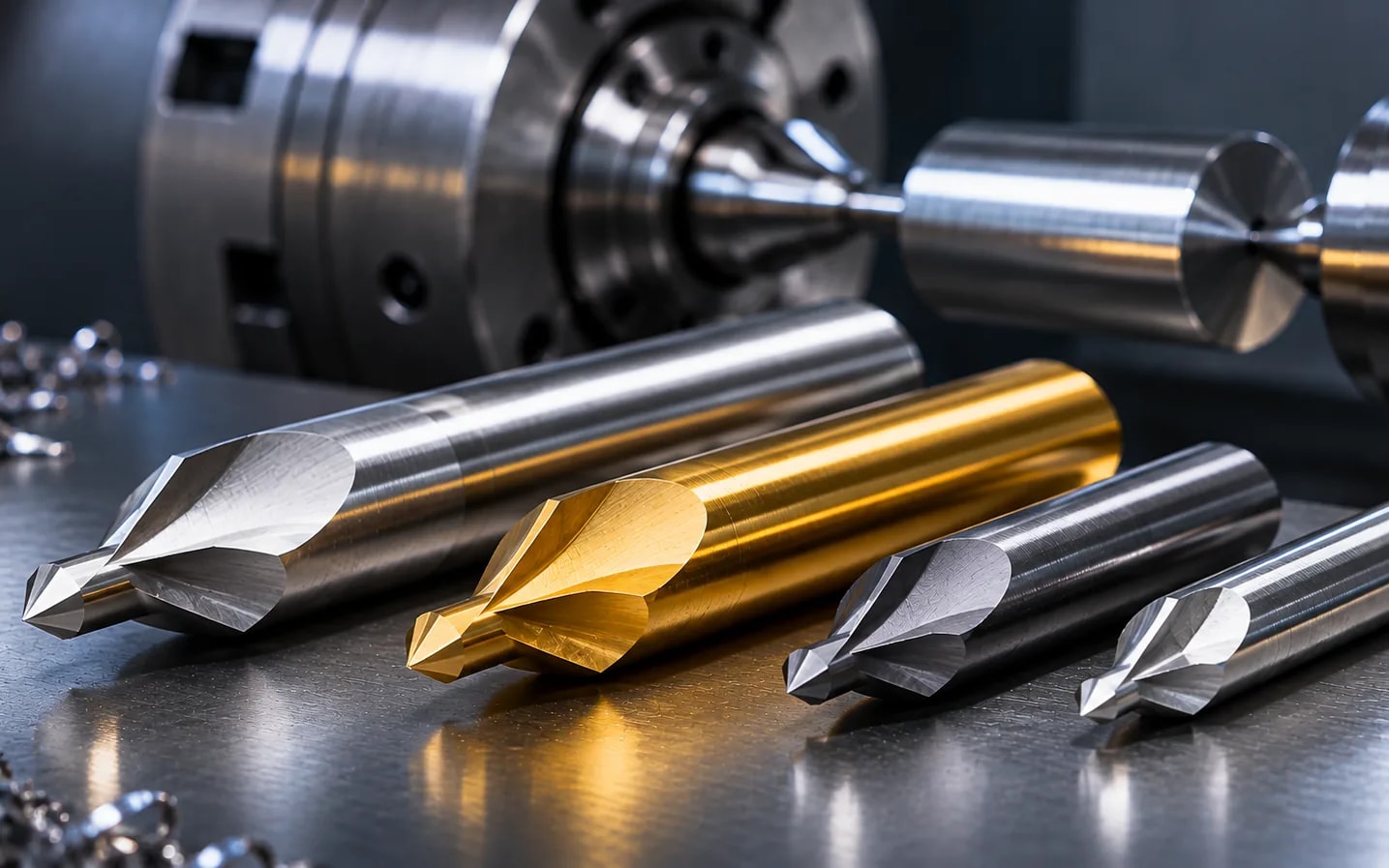
The best center drill bits in 2026 come from established cutting tool makers such as Guhring, OSG, YG-1, Kennametal and Nachi, plus long-standing North American brands like Precision Twist Drill and Keo. The right choice depends less on the brand name and more on three things: what the drill is made of, what coating it has, and whether it will be used on a lathe or a CNC machine.
Center drills are short, stiff tools that drill a small starter hole and a cone-shaped seat in one pass. That seat guides a regular drill so it starts in the right spot, or holds a part steady while it spins on a lathe. This guide compares center drilling tools by material, coating and use, so engineers and buyers can pick the right tool for the job.
What are center drill bits, and which types exist?
A center drill has a thin tip that drills a small starter hole and a wider body that cuts a cone around it. There are four main shapes, and each suits a different job.
| Type | Shape | Typical use |
|---|---|---|
| Standard center drill | Plain cone | Everyday lathe work |
| Protected center drill | Cone with an extra outer bevel | Shafts that are handled or reset often; the bevel guards the seat from dents |
| Curved center drill | Rounded cone | High-accuracy finishing, where the curved seat keeps a steady grip even if parts are not perfectly lined up |
| Spot drill | Single pointed tip, no thin starter tip | Marking hole positions on CNC machines before drilling |
Is a spot drill the same as a center drill?
No. A center drill's thin tip breaks easily, and its cone angle does not match the point of a regular drill. On CNC machines, a spot drill with a point that matches the drill usually works better. Center drills are still the right tool when a part is held between two points on a lathe.
Which material and coating should you choose?
The material decides how tough the drill is and how much heat it can handle. The coating decides how long the edge stays sharp. Pick both based on what you're cutting and how steady your machine is.
How do steel, cobalt steel and carbide center drills compare?
| Material | Strengths | Weaknesses | Best fit |
|---|---|---|---|
| High-speed steel | Tough, forgiving, low cost, easy to resharpen | Loses hardness when it gets very hot | Manual lathes, mild steel, aluminum, small batches |
| Cobalt steel | Stays hard at higher heat | Slightly more brittle, costs more | Stainless steel and tougher metals |
| Solid carbide | Very hard, lasts longest, cuts faster | Chips if the machine shakes or the tool wobbles | Sturdy CNC machines, cast iron, hardened steel, large batches |
What do coatings actually do?
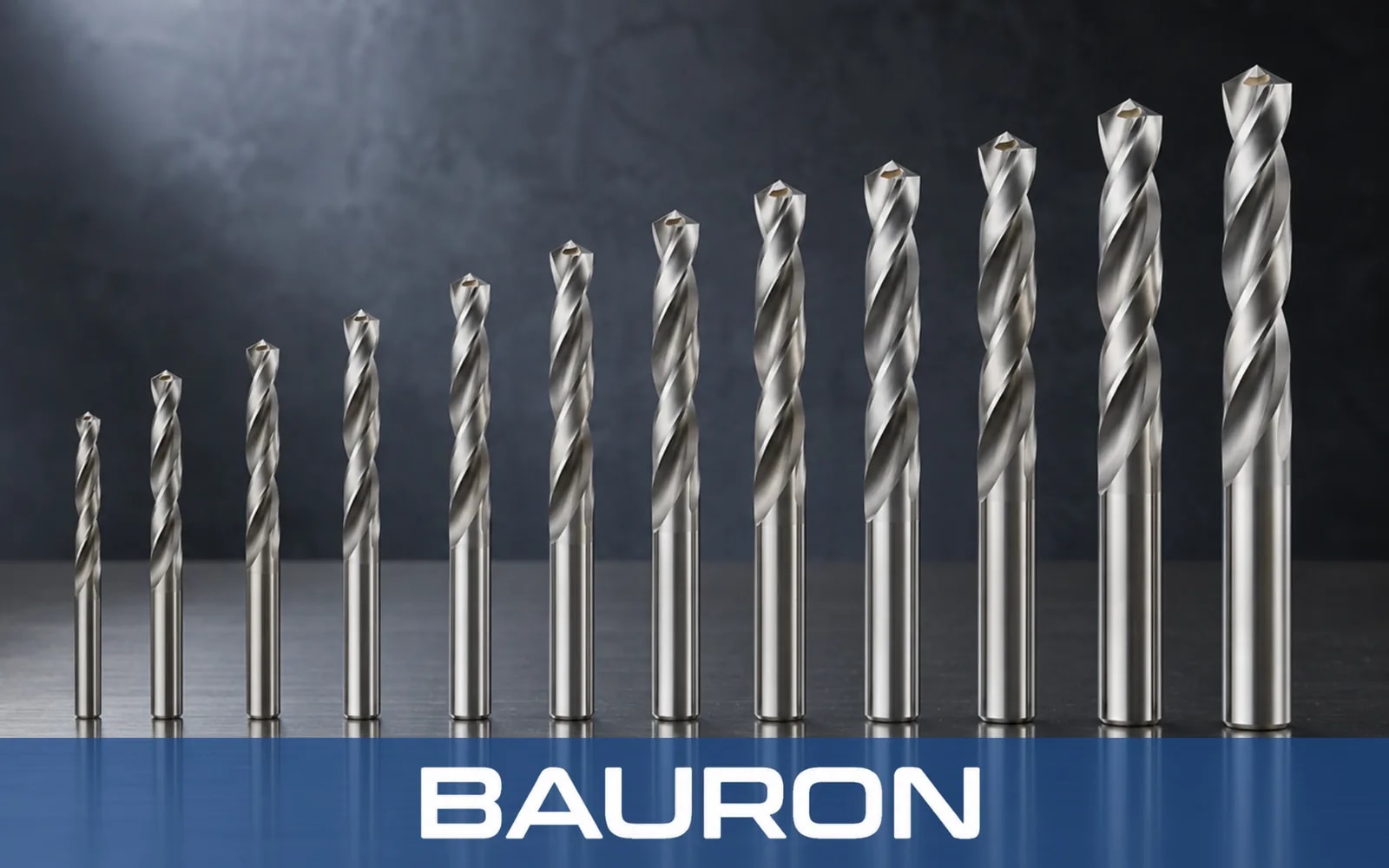
- No coating: The sharpest edge; best for aluminum and plastics, where material can stick to a coated tool.
- Gold-colored coating: An all-round choice that reduces friction and helps tools last longer in steel.
- Harder gray coatings: Resist wear in cast iron and ordinary steel.
- Heat-resistant dark coatings: Protect the edge at high temperatures; best for stainless steel and fast cutting with carbide.
A coating only helps while the edge stays whole. A wobbly tool or a weak machine wears out coated drills as fast as plain ones. Our guide to end mill coatings explains the same coating families in more detail.
Which center drill bit brands lead in 2026?
The leading center drill makers differ mainly in how many sizes they offer, whether they sell carbide tools, and price. The table gives a general picture; check current catalogs for exact sizes, coatings and stock.
| Brand | Country | Materials | Coatings | Best at |
|---|---|---|---|---|
| Guhring | Germany | Steel, cobalt steel, carbide | All-round and heat-resistant | Standard-shape drills for accurate lathe work |
| OSG | Japan | Cobalt steel, carbide | Its own multi-layer coatings | CNC spot and center drilling in hard metals |
| YG-1 | South Korea | Steel, cobalt steel, carbide | All-round and heat-resistant | Good value for everyday production |
| Kennametal | USA | Carbide, steel | Heat-resistant | Large CNC runs on sturdy machines |
| Nachi | Japan | Steel, cobalt steel | All-round, uncoated | Long-lasting steel tools for general work |
| Precision Twist Drill / Keo | USA | Steel, cobalt steel | Uncoated, all-round | Lathe and toolroom drills in many sizes |
No single brand is best at everything. Many shops use one premium brand for carbide CNC tools and a lower-cost brand for manual lathes. Bauron can help buyers compare matching sizes across brands and make custom center drills when no catalog size fits.
How do you match center drilling tools to the job?
Start with what you are cutting and how the part is held, then choose the material and coating. Three common shop examples show how this works.
- Turning shafts on a lathe (car and pump shafts): A cobalt steel center drill with the protective bevel keeps the seat from getting dented when the shaft moves between machines. Larger, heavier shafts need larger center holes.
- Starting holes in stainless steel on a CNC machine (food and process equipment): A coated carbide spot drill run at a steady pace keeps cutting cleanly. A tool that pauses and rubs makes the stainless surface harder and wears out fast.
- Finishing hardened machine parts (machine tool builders): A curved carbide center drill keeps a steady grip even when parts are not perfectly lined up.
For aluminum parts, use uncoated, polished tools and plenty of coolant so chips don't stick to the edge. Bauron's drills design guide covers drill geometry in more detail.
What problems occur with center drills, and how do you fix them?
Most problems come from the thin tip, trapped chips or poor alignment, not from the brand.
| Problem | Likely cause | Fix |
|---|---|---|
| Broken tip | Trapped chips, pushing too hard, parts out of line | Drill in short steps and back out to clear chips, slow down, check alignment |
| Rough or uneven seat | Tool sticking out too far, worn machine, dull edge | Shorten the tool, use the largest size that fits, sharpen or replace |
| Seat doesn't fit the lathe point | Wrong drill shape | Use a standard 60° center drill for lathe work; on CNC, match the spot drill to the drill point |
| Fast wear in stainless steel | Tool rubbing instead of cutting | Feed a little faster, use cobalt steel or coated carbide, add coolant |
| Metal sticking to the edge in aluminum | Coating or dull edge | Use an uncoated, polished tool at a higher speed |
| Drill wanders after centering | Starter hole too small or shallow | Make the starting spot slightly larger, or use a spot drill |
Conclusion: how should you choose center drill bits in 2026?
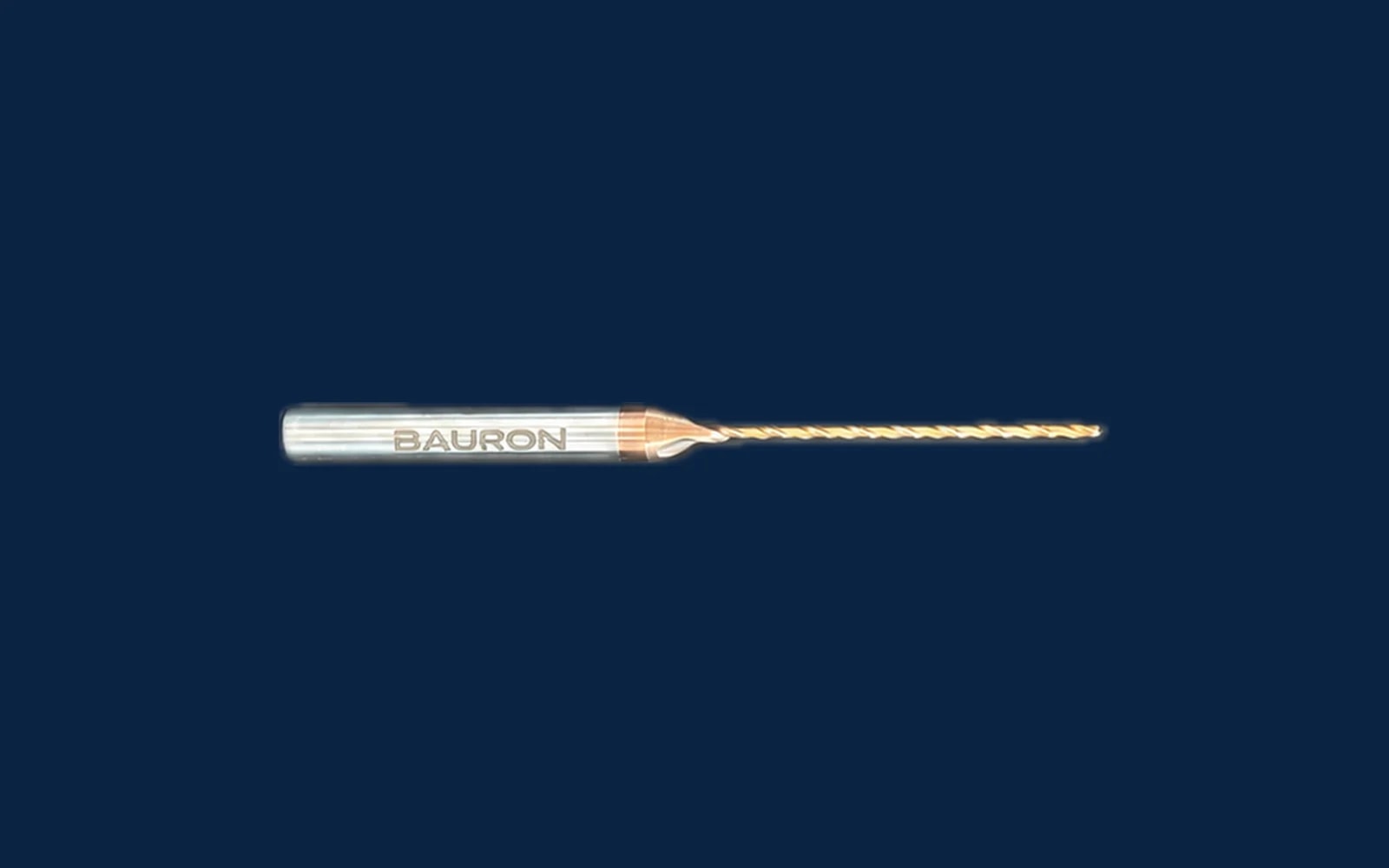
Choose the drill shape first, then the material based on how steady your machine is, then the coating based on what you are cutting. Premium brands are worth the cost for large CNC runs, while good steel tools still work well for manual lathe jobs. For help comparing center drilling tools across brands, Bauron's team can review your materials, machines and order sizes before you buy. You can also browse our drill bits or request a quote.