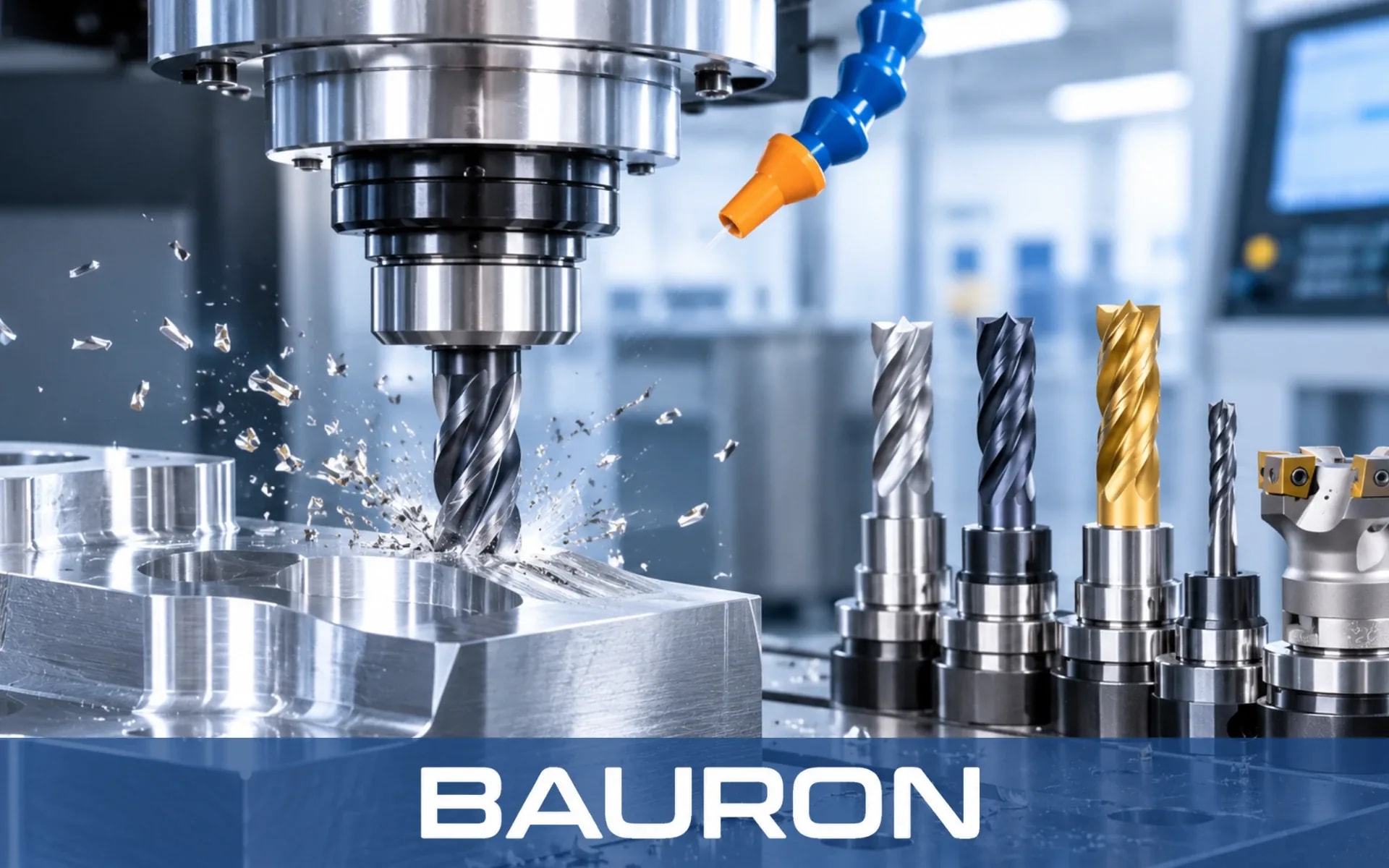
CNC cutting tool technology is advancing fast, driven by shop floors that face tougher machining requirements: tight tolerances, hard-to-machine materials and rapid turnaround. A tooling geometry from just a few years ago can create a significant bottleneck across the entire production line.
Now more than ever, manufacturers are machining heat-resistant superalloys, hardened steels and composite materials, all of which punish traditional tooling. At the same time, they must deliver lower costs and faster delivery while offering an improved surface finish to all of their customers. It all starts with the tool that hits the workpiece.
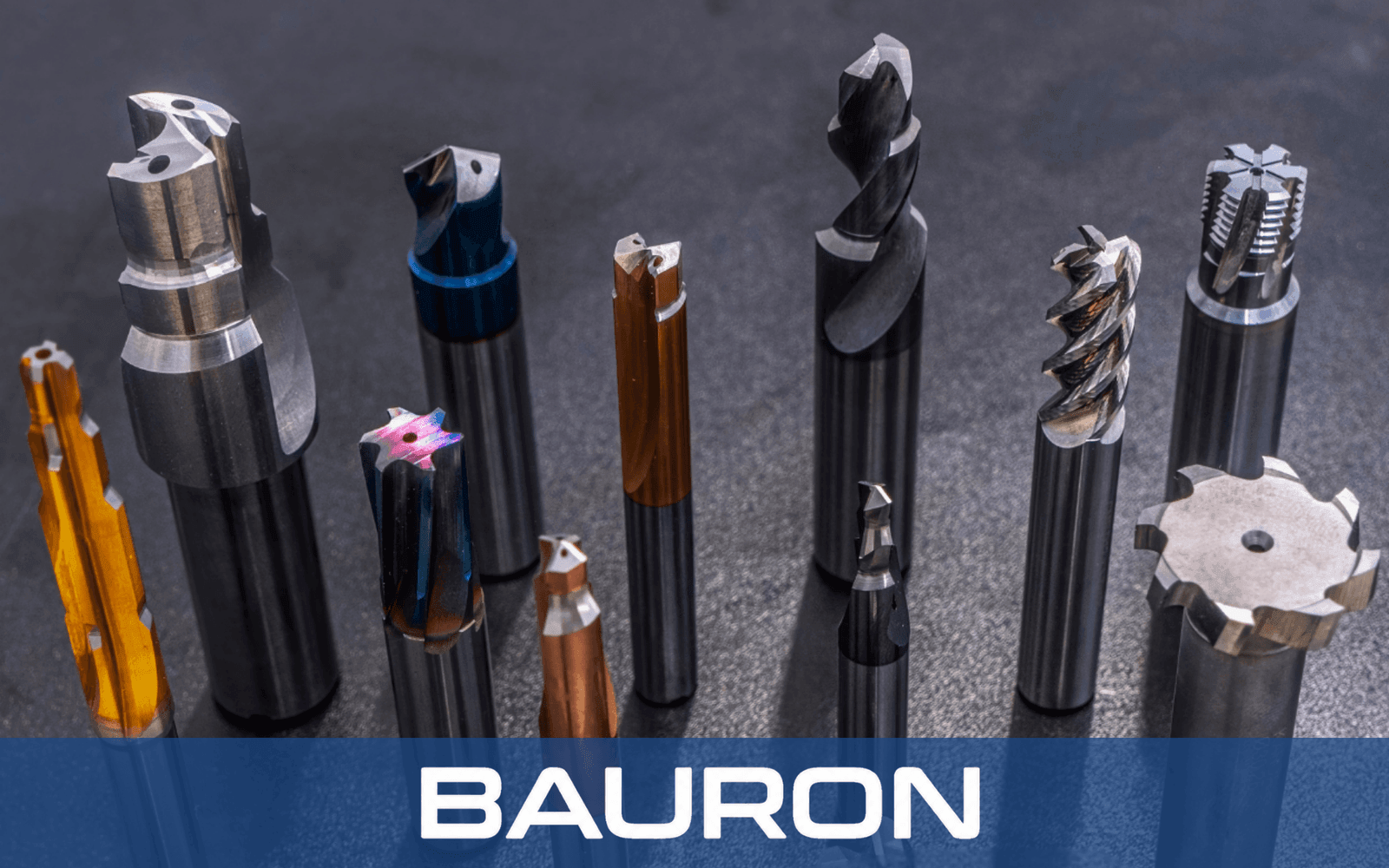
At Bauron, we design CNC tools for customers in more than 80 countries. We focus on innovation and technology, particularly the developments in CNC tooling that keep manufacturers competitive and lower their costs. These include new cutting tool materials, new coatings, smarter tools and designs with ever finer micro-precision. Some even support sustainability in manufacturing by allowing tools to be repurposed.
This guide covers these innovations, followed by practical steps to make sure the tooling you buy stays relevant and competitive.
Why CNC Cutting Tools Matter More Than Ever
This is where the digital and the physical meet: the CNC cutting tool itself. No matter how sophisticated the five-axis machine and the CAM programming, there must be an end mill, drill or insert that cuts the material.
CNC machining tooling directly determines:
- Cycle time: Greater feeds and speeds result in more parts per shift.
- Finish: Sharper edges mean secondary finishing is no longer necessary.
- Accuracy: Reliable tooling holds tight tolerances throughout the production run.
- Cost per part: Longer tool life translates into fewer replacements and rejects.
- Predictability: Expected wear allows scheduled, rather than unexpected, tool replacement.
Companies making products for aerospace, medical devices, electric vehicles and electronics now demand lighter, stiffer and smaller parts, so tooling is evolving from a consumable cost into a performance driver. That is why we built our four core product lines, CNC end mills, drills, threading taps and reamers, around these performance criteria.
Advanced Cutting Tool Materials Shaping the Future
The biggest leap in tool performance starts with the substrate. Advanced cutting tool materials let manufacturers cut faster, run hotter and machine materials that were once impractical.
| Material | Key strength | Best suited for |
|---|---|---|
| Nano-grain and sub-micron carbide | High toughness with sharper, more stable edges | General milling, drilling, stainless and alloy steels |
| Ceramics and SiAlON | Extreme heat resistance at very high speeds | Nickel-based superalloys, cast iron |
| Cubic boron nitride (CBN / PCBN) | Hardness second only to diamond, chemically stable with iron | Hardened steels, hard turning, finishing |
| Polycrystalline diamond (PCD) | Exceptional wear resistance and edge sharpness | Aluminum, composites, graphite, non-ferrous metals |
| CVD diamond coatings and solid diamond | Long life in abrasive materials | Carbon-fiber reinforced plastics, ceramics |
| Cermets | Excellent finish and edge stability | Steel finishing, high-speed light cuts |
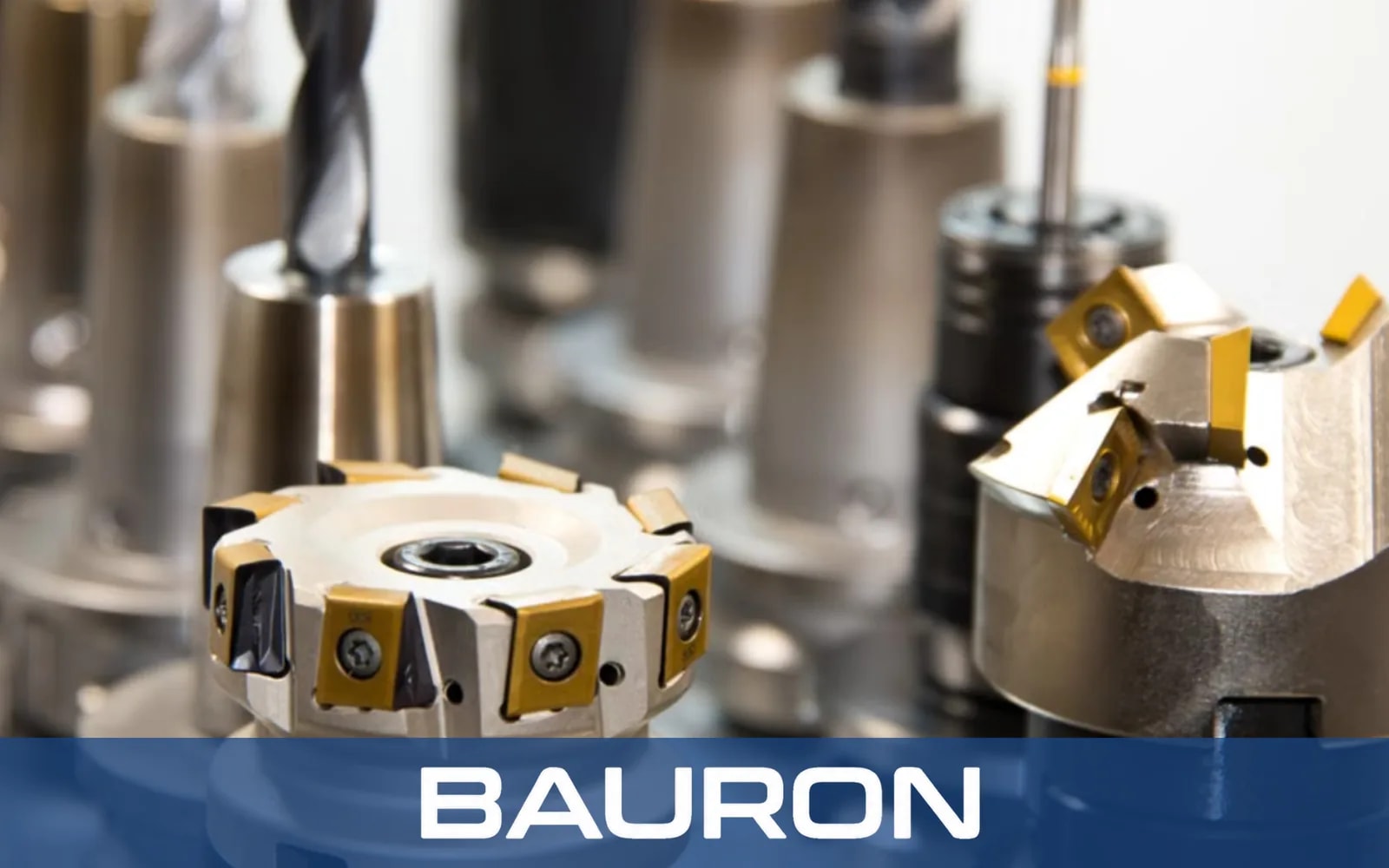
Looking ahead, expect more gradient and hybrid substrates, where toughness and hardness vary across a single tool. A tough core resists breakage while a hard outer zone resists wear, widening the range one tool can handle.
Substrate choice is also where custom tooling pays off. Bauron's milling tools use solid carbide and HSS-Co substrates, and our custom tool design team tailors carbide grade and geometry when a standard tool falls short.
Next-Generation Coatings and Surface Engineering
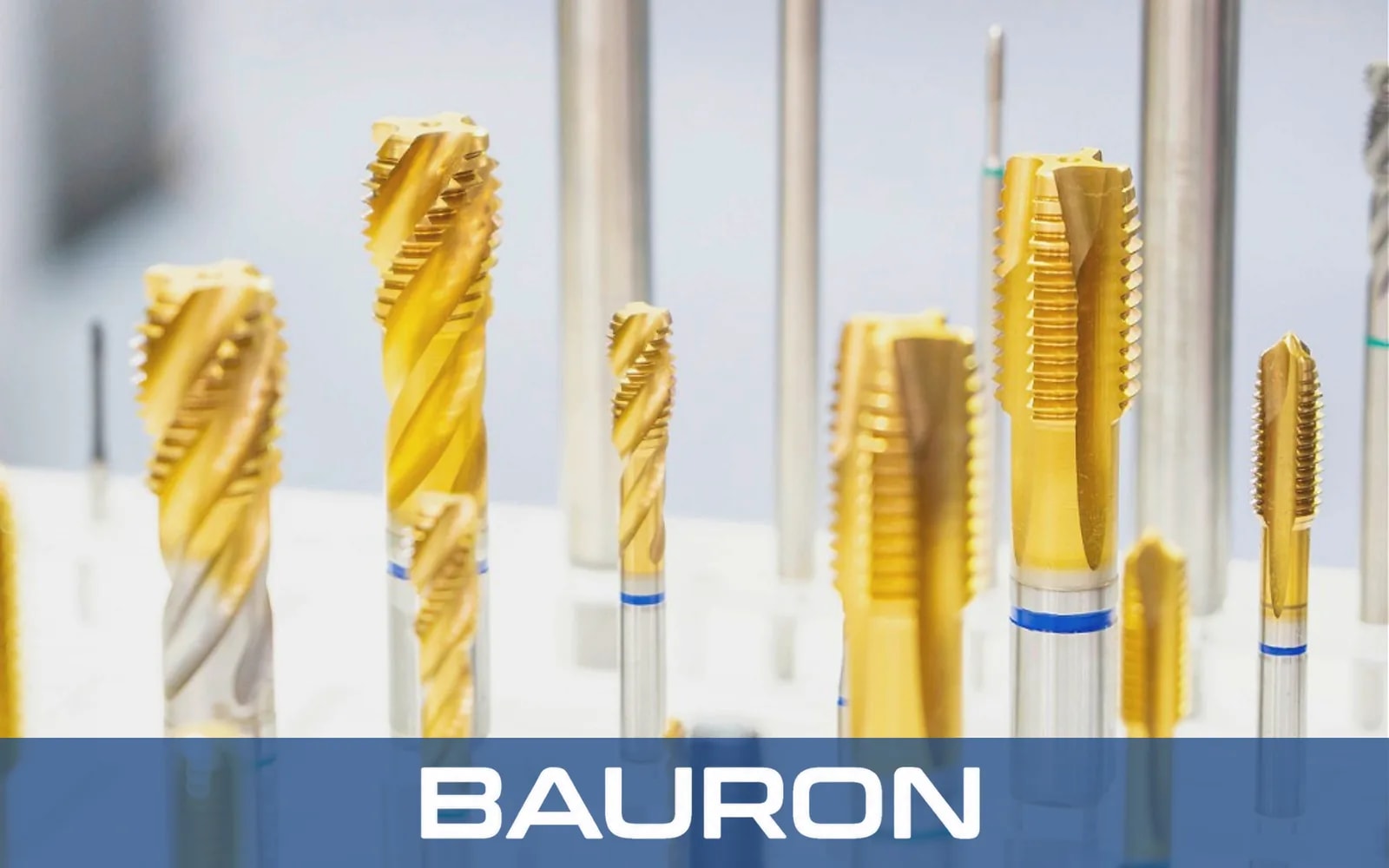
A coating only a few microns thick has the potential to multiply tool life. Coating technology is evolving quickly, and it shows clearly where precision cutting tools are heading.
- AlTiN and AlCrN: These coatings form a protective oxide layer during machining, which makes them a good fit for high-speed and dry machining.
- nACo nanocomposite coatings: They offer great resistance to heat and wear, and suit hardened steels and other alloys that are tough to machine.
- Nano-layered and multilayer coatings: Thin alternating layers resist cracking and improve toughness while maintaining hardness.
- DLC coatings: Their very low friction prevents built-up edge when machining non-ferrous materials such as aluminum.
- HiPIMS: High-power impulse magnetron sputtering creates denser, more uniform films with better adhesion and edge retention.
- Edge preparation and polishing: Preparing the cutting edge and polishing after coating reduce chipping, improve chip flow and hone the edge.
The industry is moving toward application-specific coatings rather than one universal coating for every material. As part of its engineering and tooling support, Bauron selects PVD coatings such as AlTiN, DLC and nACo for each application. Our guide to end mill coatings compares them in more detail.
Smart and Connected CNC Machining Tools
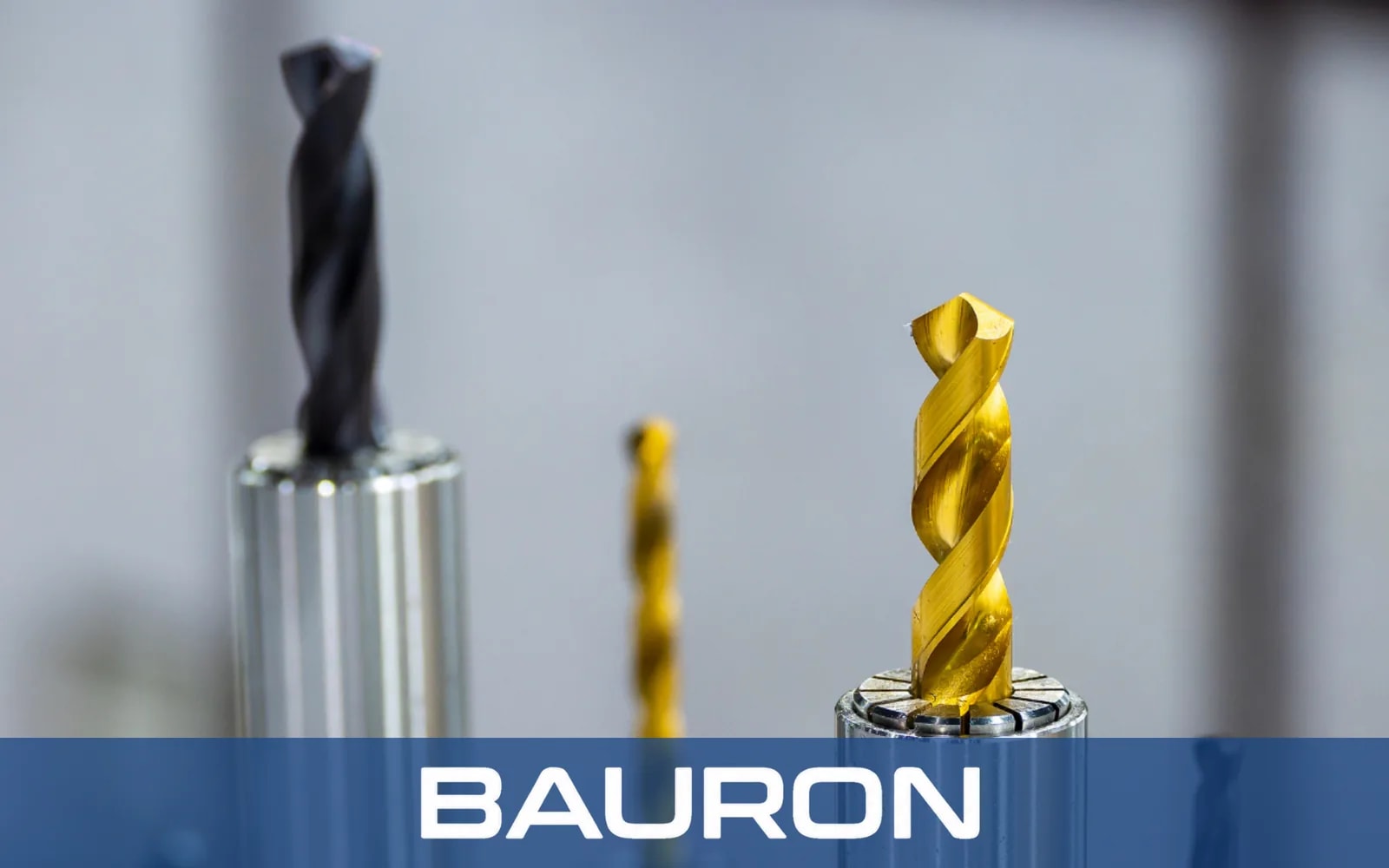
Industry 4.0 is turning CNC machining tools into data sources. Instead of changing tools on a fixed schedule or after a failure, shops can now decide based on real conditions.
- Sensor-equipped tool holders measure vibration, temperature and cutting forces in real time.
- RFID and digital tool IDs link each tool to its geometry, offsets and usage history, cutting setup errors.
- Digital twins simulate tool engagement before the first chip is cut, optimizing toolpaths and feeds.
- AI-driven wear prediction uses spindle load and acoustic data to forecast when an edge will fail.
- Adaptive machining lets the controller adjust feed rates automatically to protect the tool and the part.
The result is fewer broken tools, less scrap and more confident lights-out machining. For high-risk operations, see Bauron's resource on critical tool management.
Precision Cutting Tools for Micro-Machining and Tight Tolerances
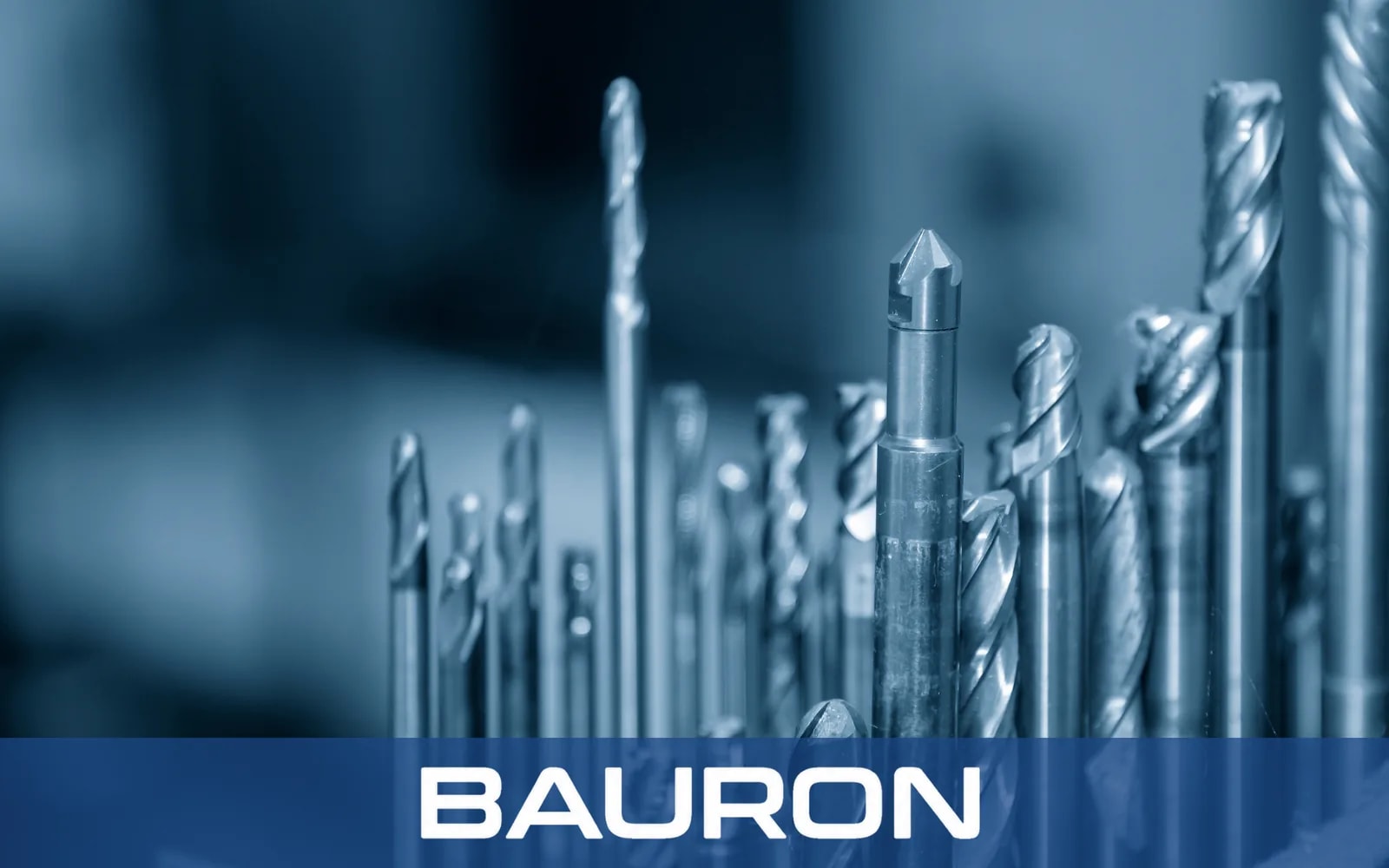
Parts are getting smaller and tolerances tighter, especially in medical devices, electronics and optics. Precision cutting tools are evolving to keep up.
- Micro end mills and micro drills with diameters below 0.1 mm for features invisible to the naked eye.
- Ultra-tight runout control, supported by shrink-fit and hydraulic holders, for consistent chip loads.
- Variable helix and variable pitch designs that break up harmonics and reduce chatter.
- Through-tool coolant channels, even in small diameters, for better chip evacuation and heat control.
- Laser-finished edges that deliver sharpness and repeatability beyond conventional grinding.
For high-value parts, this precision means fewer rejected components and less rework. Bauron checks every tool with 100% optical and CMM inspection, including runout and concentricity. Our precision reamers are designed for H7 bore accuracy, and live tool holders carry that accuracy onto mill-turn centers.
Sustainability and Longer Tool Life
Sustainability is no longer optional in manufacturing, and cutting tools play a direct role in reducing waste and energy use.
- Regrinding and recoating programs return worn tools to near-new performance at a fraction of the cost.
- Carbide recycling recovers tungsten and cobalt, both critical and price-sensitive raw materials.
- Minimum quantity lubrication (MQL) and dry machining cut coolant use, disposal cost and shop-floor contamination.
- Cryogenic machining with liquid nitrogen or CO2 cools the cutting zone in tough alloys without traditional emulsions.
- Longer-life tools mean fewer replacements, less packaging and lower transport emissions.
Greener machining and lower operating cost increasingly point in the same direction.
How These Innovations Impact Key Industries
| Industry | Machining challenge | Tooling innovation that helps |
|---|---|---|
| Aerospace | Titanium and nickel superalloys, thin walls | Ceramic and AlTiN-coated carbide, high-feed geometries |
| Automotive and EV | High volumes, aluminum housings, battery components | PCD tools, DLC coatings, combination tools |
| Medical devices | Tiny features, biocompatible alloys, perfect finish | Micro tools, laser-finished edges |
| Mold and die | Hardened steel, long unattended runs | CBN tools, sensor-based wear monitoring |
| Electronics | Miniature parts, abrasive PCB materials | Diamond-coated micro drills |
| Energy | Large, tough components | Heavy-duty inserts, through-coolant tooling |
See how Bauron supports these sectors on our industries page.
How to Choose Future-Ready CNC Cutting Tools
Investing in the right tools today protects your productivity tomorrow. Before your next tooling decision, work through these questions:
- Match the materialIs the substrate and coating designed for the exact alloy or composite you machine most?
- Look at cost per part, not price per toolA premium tool that runs twice as long often wins.
- Check machine compatibilityCan your spindle, holders and coolant system use the tool's full potential?
- Plan for dataWill the tool work with your monitoring, tool management or digital twin systems?
- Ask about regrinding and recyclingA clear end-of-life path lowers total cost and waste.
- Test before you commitRun trials on real parts and measure tool life, finish and cycle time.
At Bauron, the best tooling decisions come from understanding the whole process, not just the tool. Our application engineers review feeds and speeds, CAM toolpaths and coating choice before recommending a tool. Browse the tool catalog, read our design guides, or ask an application engineer to match tooling to your process.
Conclusion
The future of CNC cutting tools is faster, smarter, more precise and more sustainable. Advanced cutting tool materials, next-generation coatings, connected tooling and custom geometries are already redefining what machine shops can achieve.
Manufacturers that adopt these innovations early will produce better parts at lower cost, while those who wait risk falling behind on speed, quality and margins.
Ready to future-proof your machining performance? Request a custom quote or contact the Bauron team to discuss your application. You can also read what manufacturers say in our customer testimonials.