Direct Draft-Angle Machining
Cuts angled cavity walls and draft features directly to reduce machining cycles.
Rotate the model with a mouse or one finger. Use the mouse wheel or a two-finger gesture for controlled zoom.
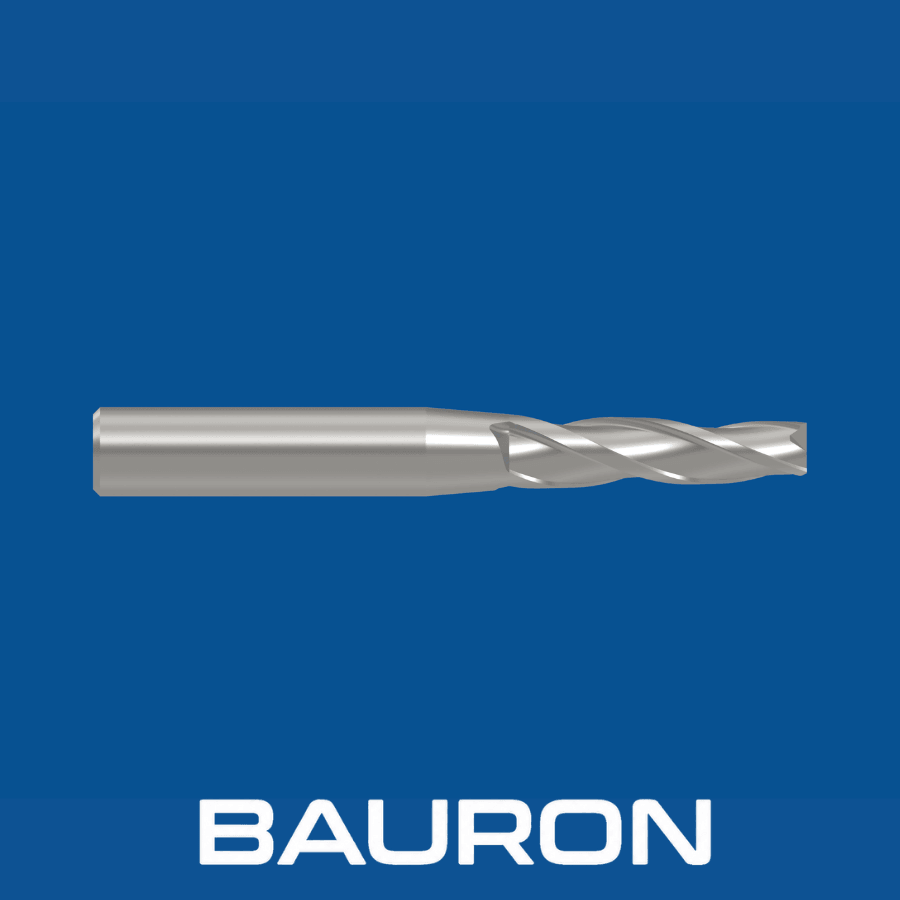
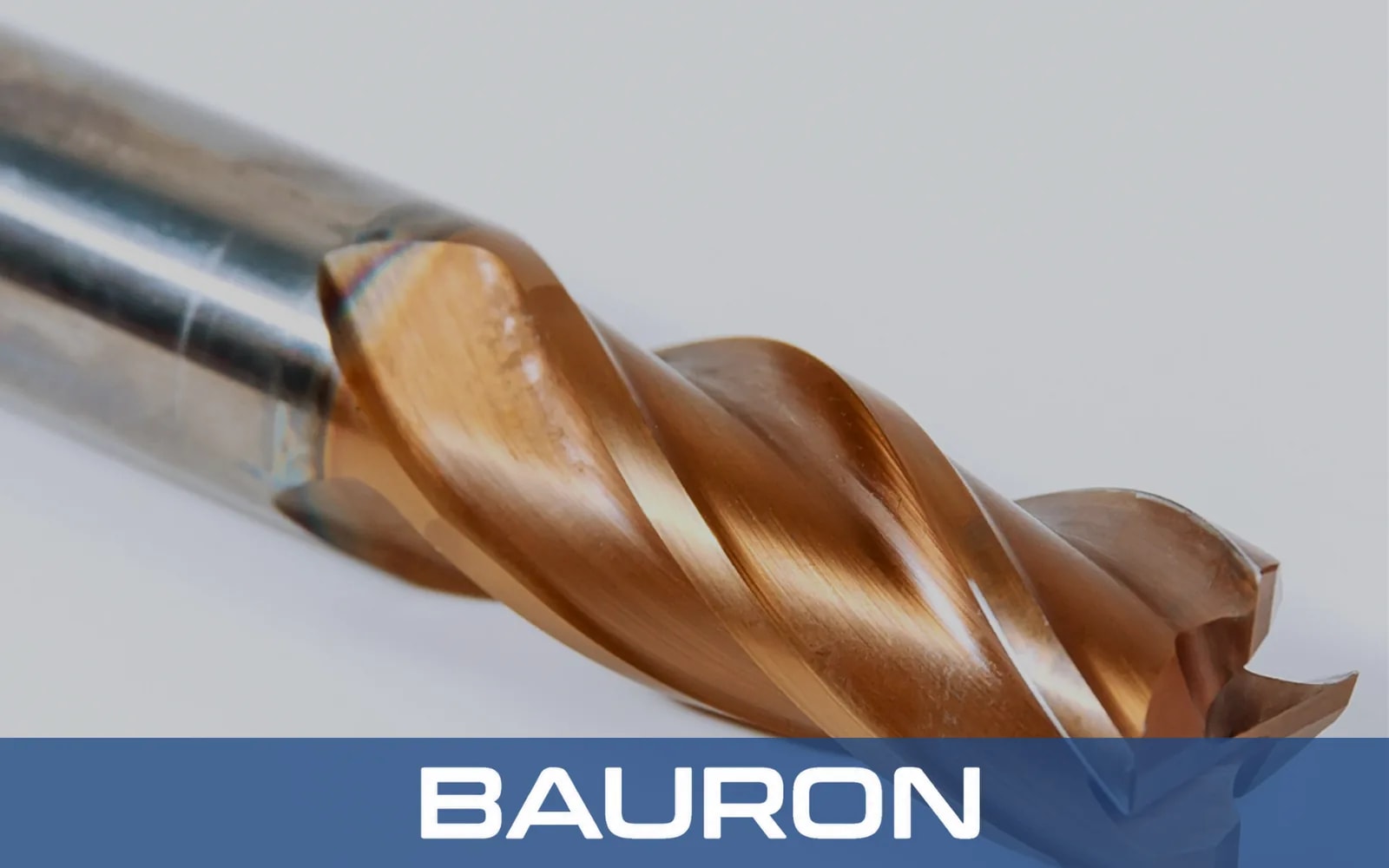
A tapered end mill has cutting flutes that taper at a precise angle from the major shank diameter to a smaller end diameter. Unlike straight end mill tools that use step-milling passes or multi-axis tilting to form angled walls, tapered end mills can cut the specified draft angle on a vertical face in one pass.
Cuts angled cavity walls and draft features directly to reduce machining cycles.
The body widens toward the shank, increasing stiffness compared with a straight-shank tool.
Flat-bottom, corner-radius, and ball-nose tips match different pocket-floor geometries. For straight walls with radiused floors, a standard corner radius end mill is used.
High-rake angular flutes shear metal and help control vibration inside deep mold cavities.
Removes incremental Z-level stepovers and can reduce draft-wall finishing time.
The conical body provides core strength for deeper axial cuts. Deep straight-walled pockets with no draft call for a reduced neck end mill instead.
Continuous angular edge contact produces a smooth wall finish and can reduce hand polishing.
Per-side taper angles from 0.5° to 20° cover a range of blueprint callouts.
Micro-grain carbide construction resists heat during continuous high-speed passes.
| Specification | Range / Details |
|---|---|
| Tip Diameters | 1/32" to 3/4"+; metric 0.8 mm to 20 mm+ available |
| Taper Angles per Side | 0.5°, 1°, 1.5°, 2°, 3°, 5°, 7°, 10°, 15°, and 20° standard tapers |
| Tip Profile Options | Square flat end, corner radius (bull nose), or full ball nose |
| Flute Count | 2, 3, or 4 flutes with material-specific geometries |
| Shank Style | Straight cylindrical or reinforced tapered shank |
| Operation Type | Draft-angle cavity milling, tapered slotting, and die sinking |
| Material / Coating | Best For | Key Advantage |
|---|---|---|
| Solid Carbide | Hardened tool steels, stainless steel, and titanium. | Rigidity helps limit flex on deep angled walls. |
| TiAlN / AlTiN Coating | Tough alloy steels, cast iron, and dry high-heat milling. | Thermal hardness protects angled cutting lips during production. |
| DLC / ZrN Coating | Aluminum, brass, copper, and non-ferrous plastics. | Helps prevent soft material from galling or welding on tapered flutes. |
Solid carbide provides rigidity, TiAlN or AlTiN supports ferrous high-heat milling, and DLC or ZrN reduces galling in aluminum and other non-ferrous materials.
Cut draft angles without requiring 5-axis motion.
Run multi-axis toolpaths for continuous draft-angled surface sculpting.
Perform draft milling on composite patterns, aluminum plates, and engineering plastics.
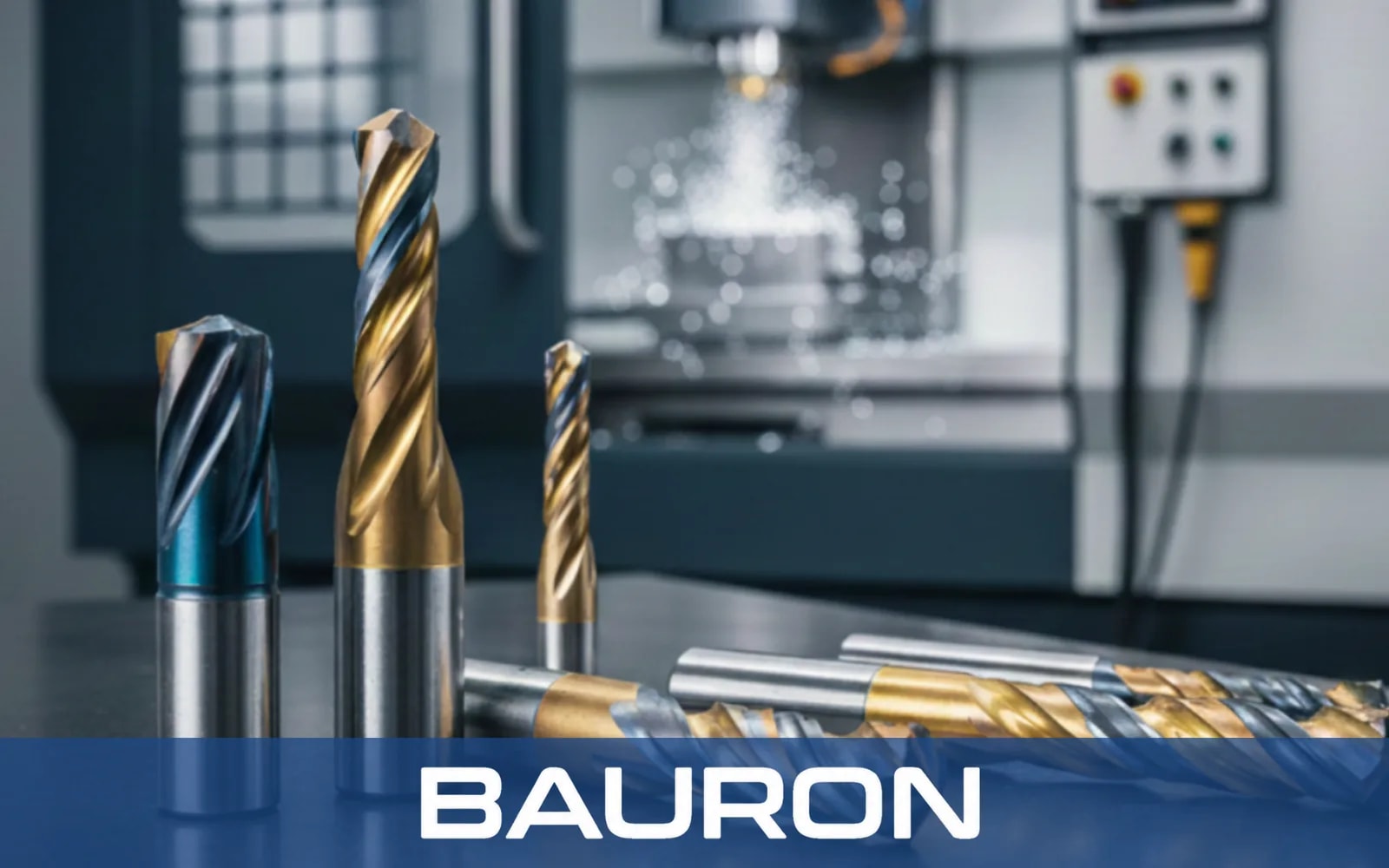
Machines release draft angles on plastic mold cavities and die-casting cores. Bulk stock can be roughed out first with chipbreaker end mills before the draft walls are finished.
Cuts conical slots, dovetail preparation channels, and angled keyseats.
Mills angled lightening pockets and draft-angled ribs in aerospace structures and components for the defense industry.
Shapes draft-angled wood, composite, or metal patterns for sand casting.
A tapered end mill cuts a specified draft angle on a vertical wall in one continuous pass, avoiding the step marks and machine time associated with incremental Z-level contouring.
Taper is usually specified per side relative to the tool centerline. Confirm whether the CAM input expects the per-side angle or the total included angle, which is twice the per-side value.
A square-end tapered mill has a flat tip for flat-bottom pockets with angled walls. A tapered ball nose has a spherical tip for contoured floors and fillet transitions.
Micro-grain carbide tools with AlTiN or nACo coatings are designed for pre-hardened and hardened steels such as H13, D2, and P20 up to 65 HRC.
Bauron can engineer non-standard taper angles, custom tip radii, extended neck reach, and wear coatings for CAD-defined applications.
Bauron provides design and engineering support for tooling requirements. The engineering team works with customers on custom geometries, specialized coatings, and complex machining challenges.
Talk to Engineering